
Travel
Everything You Need to Know Before You Go to Kenya


So You’re Dreaming of the Masai Mara? Here’s what you need to know.
If you’ve ever caught yourself staring longingly at National Geographic or one of those moody slow-motion safari documentaries, chances are the Masai Mara was the backdrop. And for good reason—this place is next-level magical. We’re talking big cats lounging under acacia trees, wildebeest stampeding across the plains, and sunsets that feel like they’re showing off just for you.
If a trip to Kenya’s iconic Masai Mara is on your 2025 bucket list, keep reading. We’re breaking down everything a U.S. traveler needs to know—minus the boring fluff and with all the good-to-know intel that’ll make your trip smooth, safe, and straight-up unforgettable.
Getting There: From “I Booked It!” to the Bush
First things first: you’ll fly into Nairobi’s Jomo Kenyatta International Airport (NBO). Most flights from the U.S. will connect through Europe or the Middle East. Once you’re there, you’ve got two main ways to reach the Mara:
-
Option 1: Bush plane. It’s quick (about 45 minutes), kind of thrilling, and drops you right into the heart of the action. Worth it.
-
Option 2: Road trip. It takes about 5–6 hours, and while it’s a bit bumpy, it’s also scenic. If you’ve got the time and patience, it’s a great way to see more of Kenya.
Visas, Vaccines & Paperwork (But It’s Easy, Promise)
Kenya makes this part pretty painless. You’ll need:
-
A valid passport (at least six months left, two blank pages).
-
An electronic travel authorization (eTA)—apply online a few days before you go.
-
If you’re passing through a yellow fever zone (say, via Ethiopia or Uganda), bring your yellow fever card.
Bonus tip: Don’t skip travel insurance—especially one that covers emergency evacuation. You’re going off the grid here.
When to Go (And Why “Rainy Season” Isn’t a Dealbreaker)
Here’s the truth: there’s really no bad time to visit the Masai Mara. But the experience does shift depending on the season.
-
July to October = The Great Migration. Wildebeest. Everywhere. It’s like nature’s version of Times Square—chaotic, awe-inspiring, and totally worth the hype.
-
December to March = Dry, warm, and perfect for spotting wildlife in thinner grasses. Plus, fewer tourists.
-
April to June = Lush and green. Yes, it rains, but it’s also peaceful, romantic, and usually comes with lower prices.
What You’ll See: Lions, Cheetahs & “Did You See That?!” Moments
The Masai Mara is wild in the best way. You’re not at a zoo. You’re sharing space with:
-
The Big Five—lion, leopard, elephant, rhino, and buffalo.
-
Cheetahs chasing down lunch like Olympic sprinters.
-
Hippos and crocs doing their thing in the Mara River.
-
Hundreds of bird species and so many giraffes you’ll stop counting.
The wildlife density here is something else. Don’t be surprised if your first game drive feels like watching a highlight reel from a David Attenborough special.

Safari Days: What a Typical Day Looks Like
Your safari rhythm will probably look like this:
-
Early morning game drive (animals are most active around sunrise).
-
Leisurely brunch back at camp—coffee, stories, and probably some warthogs running by.
-
Nap or chill time.
-
Afternoon drive, chasing that golden hour light.
-
Sundowners. That’s safari-speak for a G&T in the wild as the sun sets. It’s as dreamy as it sounds.
You’ll be rolling in a custom 4×4 with a local guide, which is half the magic. These guides are part tracker, part storyteller, part comedian.
Where to Stay: Tents, Lodges & Luxury in the Wild
This isn’t camping like you know it. Lodges and tented camps here are full-on experiences—some are rustic, others ridiculously luxe.
-
Luxury lodges: Picture soaking in a tub while elephants graze nearby. Check out Angama Mara or Mahali Mzuri if you want the royal treatment.
-
Mid-range camps: Think eco-friendly with style—Basecamp Explorer is a fan favorite.
-
Budget-friendly options: Still comfortable, still magical. You’re waking up to zebras outside your window, not bad for “budget.”
Most places are all-inclusive: meals, drinks, daily game drives, and sometimes even laundry (bless them).
Getting Around Once You’re There
You’ll mostly be driven around by your guide in an open-roof vehicle—that’s part of the experience. But you can also:
-
Book a hot air balloon ride (yes, it’s as epic as it sounds).
-
Take a walking safari in some areas (usually with armed rangers for safety).
-
Fly to other destinations if you’re adding on beach time or other parks.
Safety, Health & Common Sense
The Mara is wild, but it’s not reckless. Here’s how to stay safe and healthy:
-
Don’t wander around alone at night. Seriously. Even at your camp.
-
Malaria meds: Talk to your doctor before you go. Bug spray is your best friend.
-
Stick to bottled or filtered water.
-
Bring basic meds—motion sickness pills, antacids, pain relievers. You’ll thank yourself.
Culture Check: The Maasai People
You’ll likely meet Maasai locals during your trip—they’re proud, welcoming, and incredibly knowledgeable. Many work as guides or camp staff, and some lodges offer village visits.
-
Be respectful. Ask before snapping photos.
-
Try to learn a few phrases in Maa—even just “hello” goes a long way.
-
Tipping is appreciated. Think $10–$20/day for your guide, $5–$10/day for general staff.
What to Pack (Besides Your Sense of Adventure)
-
Neutral-colored clothes (bright colors attract bugs and spook animals).
-
Layers—it’s chilly in the mornings, hot mid-day, then cool again at night.
-
Binoculars and a camera with zoom—trust me on this one.
-
Power bank + UK-style adapter (Type G plug).
-
Comfortable shoes, sunscreen, and a good hat.
Why the Mara Leaves a Mark
You’ll arrive excited and probably a little jet-lagged. But by the end of your first game drive, when you’re sitting quietly watching a pride of lions stretch out in the shade, something shifts. The Masai Mara doesn’t just show you wildlife—it shifts your perspective, slows you down, reminds you how vast and beautiful this world really is.
If you’re looking for a trip that’s more than a vacation—something that sticks with you long after your plane touches back down—this is it.
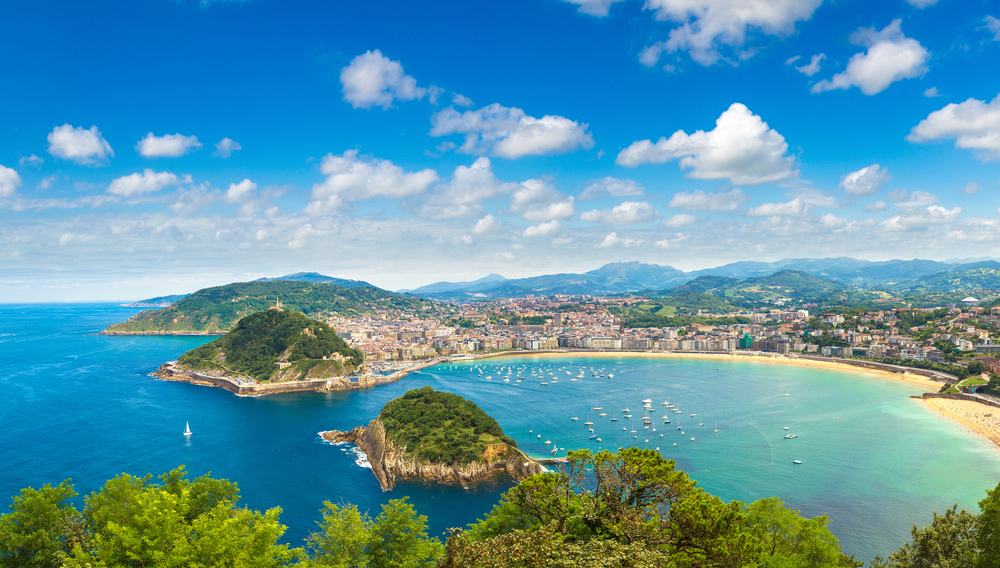
For travelers from the United States craving sun drenched coasts, rich culture, and incredible food, San Sebastián delivers on every front. Nestled on the coast of northern Spain, this Basque city combines stunning sea views and charming historic quarters with one of the densest and most creative food cultures in Europe. With tiny pintxo bars around every corner and Michelin starred restaurants that stand among the world’s best, San Sebastián offers a gastronomic escape unlike any other.
Whether you are a seasoned foodie or someone simply looking to combine beach, culture, and delicious meals, San Sebastián makes for a perfect getaway.
Why San Sebastián is Known as a Foodie Capital
Pintxos culture defines the city’s rhythm. Pintxos, the Basque version of tapas, are more than snacks here. They are a ritual, a way to taste your way through narrow historic streets from bar to bar. Small bites of creative, fresh, and often seafood heavy dishes served with local wines or cider make everyday dining a joyful experience.
Unmatched culinary prestige. San Sebastián boasts one of the highest concentrations of Michelin starred restaurants per capita worldwide. Some of the most iconic names in gastronomy, including Arzak, Akelarre, and Martín Berasategui (just outside the city), deliver tasting menus that blend Basque tradition with global creativity.
Sea meets land: fresh produce and seafood. The city’s coastal location means seafood stars on many menus: think salt cod dishes, hake cheeks, shellfish, and local catches. Inland and nearby farmland help supply fresh produce, herbs, and cheeses so that Basque cuisine stays deeply rooted in the land and sea.
In San Sebastián, food feels like more than sustenance. It feels like culture, ritual, and celebration.
What to Eat: Iconic Pintxos and Local Dishes
When you are in San Sebastián, there are flavors you simply cannot miss. Here are some of the staples and local specialties that make the city a food lover’s dream:
-
Gilda: A classic pintxo of anchovy, olive, and guindilla pepper, salty, sharp, and perfectly balanced.
-
Salt cod dishes (such as bacalao al pil pil): Traditional Basque cod prepared in olive oil and garlic, often silky and deeply flavorful.
-
Seafood specialties such as hake cheeks, squid, crab, and shellfish: Fresh local seafood that showcases the bounty of the Bay of Biscay.
-
Grilled meats (such as a Basque steak or txuleta): For land lovers, hearty, well prepared meats, often with simple yet bold seasoning and excellent produce based sides.
-
Local cider or Basque wines such as txakoli: Crisp, refreshing, and often the perfect match for seafood or pintxos.
Where to Eat: Pintxo Bars, Old Town, and Michelin Magic
Pintxo Bars and Old Town (Parte Vieja)
The narrow, winding streets of the Old Town (Parte Vieja) are the heartbeat of San Sebastián’s food scene. Here you will find countless pintxo bars, each with its own specialty and personality. A night spent “pintxo hopping” with locals and travelers alike offers a slice of the city’s most authentic flavor.
Some popular bars and favorites among visitors and locals include:
La Cuchara de San Telmo, known for inventive small plates and an intimate atmosphere.
Gandarias, a classic spot for perfectly grilled meats and traditional pintxos.
Hidden gems around lively alleys, where part of the charm is simply exploring and sampling whatever looks good.
Pintxo culture encourages spontaneity: order a drink, choose a couple of pintxos, eat, then walk to the next bar. It is casual, social, fun, and often budget friendly.
Michelin Starred and Fine Dining Restaurants
When you want to elevate your evening beyond pintxos, San Sebastián delivers. The city and the broader Basque region are home to world renowned restaurants that blend Basque tradition with culinary innovation.
Expect avant garde tasting menus, seasonal ingredients, and service that reflects centuries of gastronomic refinement. If you decide to try high end dining, book months in advance, especially during peak travel times.
Beyond Food: Sea, Beach, and Basque Culture
San Sebastián offers more than just incredible meals. It is also a beautiful seaside city, combining gourmet dining with coastal charm:
Its beaches and ocean views are among the most attractive in northern Spain, offering a balance of surf, sand, and stroll worthy promenades.
The city’s walkable scale lets you explore Old Town, seaside promenades, and modern neighborhoods all in one day.
Local markets and produce stalls provide a look into the region’s ingredients: fresh fish, seafood, local vegetables, cheeses, and wines all reflect Basque heritage and the quality of its lands and waters.
For Americans, San Sebastián offers a rare combination: Mediterranean style coast, European culture, and food that rivals, and often surpasses, many of the world’s famous culinary capitals.
Tips for U.S. Travelers Visiting San Sebastián
Plan ahead: for pintxo hopping, spontaneity works. For fine dining or Michelin starred meals, book well in advance.
Mix and match: alternate casual bar hopping nights with one or two upscale meals to taste the full range of what the city offers.
Allow time to wander: part of San Sebastián’s charm is discovering bars or restaurants by chance. Leave space for spontaneous detours.
Try local drinks: pair meals with Basque wines or cider, especially when enjoying seafood or pintxos.
Combine food with coastline: daytime walks on promenades or beach visits followed by evening meals and tapas make for a balanced and memorable trip.
A City for Food Lovers and Sea Lovers: San Sebastián Awaits
If you are dreaming of a Europe trip that brings together beautiful coastline, rich culture, and some of the best food in the world, San Sebastián should rank high on your list. Whether you wander from pintxo bar to pintxo bar or indulge in a refined tasting menu, the flavors, warmth, and spirit of the Basque coast deliver both satisfaction and delight.
For American travelers ready to trade routine for indulgence, San Sebastián offers an irresistible invitation: come hungry, come curious, stay for the food, the sea, and the magic.
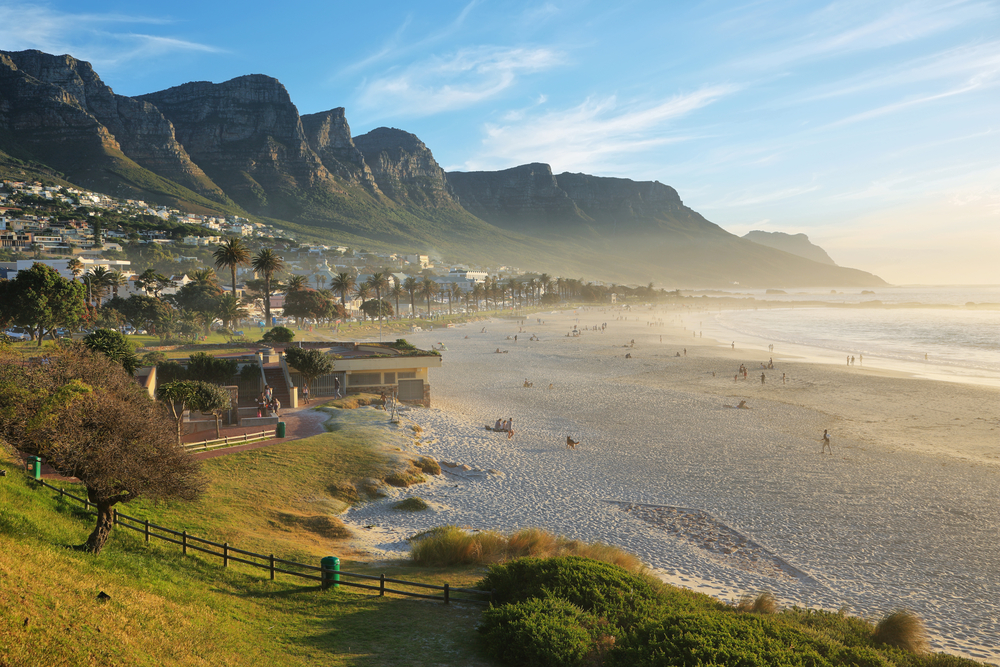
For many of us in the United States, late December means cold mornings, early sunsets, and the steady pull of holiday fatigue. It is a beautiful season, but it can also leave you longing for warmth. If you have ever dreamed of trading frost for sunshine, Cape Town in South Africa might be the answer. While much of the Northern Hemisphere bundles up, Cape Town is in the heart of summer. Beaches sparkle, vineyards glow in soft golden light, and the city hums with an energy that feels celebratory from morning until night.
Cape Town has also enjoyed a wave of global recognition. Recent travel awards have ranked it among the best cities in the world. For American travelers, it offers the perfect blend of coastline, culture, nature, and modern city life. It feels adventurous yet comfortable, and it rewards every traveler with something memorable.
Endless Summer Weather
December and January are peak summer in Cape Town. Picture clear skies, warm breezes, and temperatures in the mid 70s to low 80s Fahrenheit. There is no humidity to battle and outdoor living becomes effortless. Breakfast can be enjoyed on a shaded terrace, afternoons drift by on soft white sand, and evenings are long enough for a seaside cocktail before dinner.
This kind of weather changes the rhythm of the holiday season. Instead of staying indoors, you find yourself hiking along mountain ridges, strolling along the waterfront, or taking a scenic drive with windows down and the scent of the ocean in the air.
Experiences Made for a Winter Break
Cape Town’s beauty is layered in a way that few cities can match. Table Mountain rises dramatically above the skyline. The Atlantic Ocean curves around beaches that shimmer with turquoise water. Vineyards sit only a short drive away, framed by rolling hills and rugged peaks.
Spend a day relaxing on Camps Bay or Clifton. Visit Boulders Beach and walk among penguins that wander the shoreline. Drive Chapman’s Peak, one of the most scenic coastal routes in the world, with each turn revealing another postcard view. Explore Bo Kaap with its colorful homes and rich cultural history. Wander art galleries and local design markets. Visit Kirstenbosch Botanical Garden, where summer concerts unfold beneath a wide night sky.
Cape Town is a city with variety at every turn, and the pace is relaxed enough that you can do a lot without ever feeling rushed.
New Year’s Eve in Summer Style
Celebrating New Year’s Eve in Cape Town feels completely different from winter celebrations back home. There is no cold to fight. Instead you have the freedom to enjoy the evening outdoors.
Book a beachfront dinner and watch the sun sink into the ocean as the last day of the year fades away. Head to a rooftop bar for cocktails with mountain views. Walk along the V&A Waterfront and join crowds waiting for fireworks. Or take part in one of the many wine estate celebrations just outside the city, where music and candlelit tables create an atmosphere that feels both festive and intimate.
Easy Day Trips Filled With Beauty
One of Cape Town’s greatest advantages is its proximity to extraordinary destinations.
• Stellenbosch and Franschhoek are world class wine regions known for warm hospitality, unforgettable tastings, and charming villages.
• The Constantia Wine Route is even closer and offers some of the oldest vineyards in the Southern Hemisphere.
• The Cape Peninsula delivers rugged cliffs, scenic beaches, hidden coves, and wildlife encounters.
• Hermanus is a lovely coastal town perfect for day visits and ocean views.
Every excursion feels like a discovery.
Practical Tips for American Travelers
Flights from major American cities connect through Europe or the Middle East, and schedules are manageable. The time difference creates less jet lag than trips to Asia or Australia. English is widely spoken, and the hospitality industry is well developed. The dollar often stretches far, making accommodations, dining, and excursions excellent value for the experience.
Because December and early January are peak season, book flights, hotels, restaurants, and wine tastings as early as possible. Stay in neighborhoods like Camps Bay, the Waterfront, Clifton, or the City Bowl for convenience and safety. As with any major city, basic travel awareness goes a long way.
A New Year Worth Remembering
Cape Town combines everything that makes travel special. There is natural beauty, good food, warm weather, culture, and a wide range of experiences, all wrapped into one destination. If you are ready for a winter holiday that replaces cold with sunshine and offers adventure alongside relaxation, Cape Town might be your perfect New Year escape.

You don’t need a luxury budget to enjoy unforgettable travel experiences. With a little planning and smart decision-making, budget-friendly adventures can be just as rewarding — and often even more authentic — than high-end getaways. Here’s how to make the most of your travels without draining your savings.
1. Travel During the Off-Season
Airfare and accommodations are significantly cheaper during shoulder seasons (just before or after peak travel times). You’ll also avoid crowds, enjoy a more relaxed experience, and often see destinations in a more authentic light.
2. Be Flexible With Dates and Destinations
Use fare comparison tools like Google Flights or Skyscanner to find the cheapest travel windows. If you can be spontaneous with where or when you go, you can unlock major savings.
3. Consider Alternative Accommodations
Hotels aren’t your only option. Look into hostels, vacation rentals, house-sitting, or even couchsurfing for affordable (and sometimes free) places to stay.
4. Use Public Transportation
Skip the rental car or rideshares and explore like a local. Subways, buses, and trains are not only more economical but also offer a richer cultural experience.
5. Eat Like a Local
Avoid tourist traps and try street food, local diners, and markets. Not only will you save money, but you’ll also taste more authentic cuisine.
6. Plan Ahead — But Stay Open
Book major expenses like flights and accommodations in advance for the best deals, but leave room for spontaneous finds. Free walking tours, local events, and off-the-beaten-path attractions often turn out to be trip highlights.
7. Use Rewards and Points
Take advantage of travel credit cards, airline miles, and hotel reward programs. Over time, these perks can add up to free flights, stays, and upgrades.
Final Thoughts
Traveling on a budget doesn’t mean compromising on quality — it’s about being intentional. With a smart strategy and an open mind, you can see more of the world for less, and come home richer in experience and memory.

Tech That Makes Giving Back Feel Effortless

San Sebastián: A Culinary Paradise on the Basque Coast

Cape Town for New Year: Sunshine, Scenery and the Perfect Winter Escape

How a Billion-Dollar Entrepreneur Is Changing Wellness Technology

The Future Is Personalized: Why Peptides Are the Next Big Thing in Wellness

The Future of Wellness



The Gut-Brain Connection: How Digestive Health Influences Mood and Energy

Diabetes in America: What You Need to Know About This Growing Health Challenge

Understanding Epstein-Barr Virus: The Hidden Culprit Behind Chronic Fatigue

The Daily Cup: Finding Wellness in a Simple Cup of Tea

Personalization and Technology Are Reshaping the Future of Wellness

Read, Watch, Repeat: A Father’s Day Tradition That Brings Stories to Life
-
 Wellness10 months ago
How a Billion-Dollar Entrepreneur Is Changing Wellness Technology
-
 Wellness10 months ago
The Future Is Personalized: Why Peptides Are the Next Big Thing in Wellness
-
 Wellness11 months ago
The Future of Wellness
-

 Wellness11 months ago
Peptides: The Emerging Frontier in Health and Wellness
-

 Wellness11 months ago
Wellness Gets a Bold New Face: MAKE Launches with Star-Studded Kickoff Event in Florida
-

 Fashion10 months ago
Spring Fashion Trends: Fresh Looks for a New Season
-
 Entertainment9 months ago
Read, Watch, Repeat: A Father’s Day Tradition That Brings Stories to Life
-

 Food & Drink10 months ago
Top 5 Restaurants in America: Where Michelin Stars Meet Rave Reviews