Travel
Kerala’s Enchanted Waterways

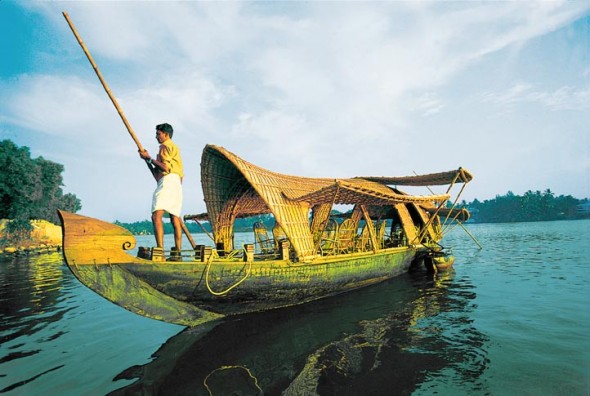
It is claimed that Kerala is the third most popular destination in the world. It has something special to woo every visitor— from lush green forests, beautiful blue hills, superb wildlife sanctuaries to clean, golden beaches and palm fringed backwaters.
The placid beauty of Kerala’s southern Backwaters is something you won’t find elsewhere. The luxuriantly verdant, somnolent landscape has mercifully not yet been assailed by the style gurus and transformed into a model of 21st century chic.
The Backwaters are instrumental in shaping the life style of its inhabitants and in addition, provide an extraordinary means of transportation. Kerala’s ancient, unusual geographical legacy has remained largely unchanged over the slow passage of many centuries. It is a labyrinth of shimmering waterways consisting of countless dreamy lagoons, gently curving waterways, wet and vividly green paddy fields, swaying palm trees, and a singularly gentle, happy people.
I’m delighted to find a conspicuous absence of the hassle and aggression that invariably confronts most tourists in Northern India. The coastal Kerala I know is friendly, laid-back and fun, and its people have learned to harmonise with nature, and live off its generous bounty. I happily surrender to the siren song of this unique corner of India.
My cruise from Kollam to Alappuzha is an exhilarating eight-hour journey through a thousand shades of green. It is my first, fascinating encounter with a verdant Venice, where nature, instead of man, has created the glory.
I hire a small houseboat, which has a single bedroom with an attached toilet and shower, an open upper deck for lounging, and a kitchenette. For company, I have two oarsmen and a cook, who minister silently and unobtrusively to my needs. On enquiry, I learn that most Kettuvalloms or houseboats, are built in the nearby boat-building town of Alumkadavu. Originally, these were used as cargo carriers, but have since been ingeniously adapted to fashion some of the most luxuriously furnished means of transport.
A few of these giant crafts are 80 feet in length.
Constructed with great skill and care, these houseboats consist of two bedrooms with attached bathrooms, an open lounge, a kitchenette and a crew comprising oarsmen, a cook and if required, a guide. The cuisine available on board is enriched with exotic tropical vegetables, fruits, cereals, seafood and herbs. The meals are garnished with the distinctive aroma of pepper, cardamom, chillies and cloves, — spices that lured explorers like Marco Polo and Vasco da Gama from across the seas. It is anholistic, natural fare and follows the tenets of Ayurveda, but is tailored to suit individual preferences.
Our little boat whispers through calm waters, along shallow lakes with shorelines thickly wooded with coconut palms. These are frequently dotted with cantilevered, Chinese fishing nets. I am informed that this system of fishing was imported into Kerala from China during the 13th century, while Kublai Khan’s marauding Mongols were ravaging much of Asia.
I sit on a deckchair, a straw hat shielding my eyes from the sun. The soft, soothing murmur of calm waters and swaying palms gradually unwinds my tightly coiled nerves. As we move smoothly along narrow, sun-dappled canals I see coir, copra and cashews being loaded into boats. I watch peddlers in small canoes moving from canal to lake, to lagoon, to canal, vending their wares from house to house. I lazily observe and marvel at the lives of these happy people who fish, play, plant, harvest and sing in a seamless cycle of simple needs and simple solutions.
A small group of children swim near the shore. They wave to me and I wave back. I note that one of them is scarcely three years old. At my look of enquiry, one of the oarsmen laughs and remarks that here, life revolves around the water, and children learn to swim before they walk.
Often they learn to manage a small boat before learning to cope with a bicycle. I laugh in response, and throw a handful of cellophane wrapt sweets, onto the shore. The children whoop in delight and scramble ashore after the goodies. I chuckle and reach for the glass of chilled beer thoughtfully placed at my elbow by the smiling boat attendant. I convey my thanks with an appreciative smile.
While my eyes take in the rustic life passing by, my palate is pampered with backwater delicacies. The lunch consists of kappa, meen curry and rice. Cool, tender coconut water and a scoop of its soft white flesh are the perfect partners to the curry. The meal is rounded off with a generous helping of payasum, a sweet, rich milk delicacy prepared with vermicelli and dried fruits in a rice paste. It is Kerala’s favourite dessert. It’s prepared in scores of flavours and garnished with raisins and fried nuts. A brief half hour siesta on the deck, and I feel revitalized, with all the batteries of my body and mind fully recharged.
In quick succession we pass a church half hidden in a thick grove of coconut palms and, barely a minute later, a temple nestling close to a mosque. I have never really appreciated the fact that Kerala is a crossroads of various faiths where Christians, Moslems and Jews planted their first markers in India. Later I see a plethora of churches, mosques and temples. And in Kochi, an incredibly beautiful 16th century synagogue. It is a remarkable lesson in happy co-existence.
Evening draws near and the western sky puts on a magnificent display of colour and light as the thin, scattered clouds, are tinctured with numerous shades of gold, crimson, coral, mauve and deep blue. As the sun sets in a blaze of colour, I realise that the magic of the backwaters reaches the pinnacle of its glory in the shimmering hours before dusk.
From somewhere not too far away the wind carries the rich strains of a boatman’s song. My heart joins in his song and, nursing a glass of single malt in hand, my thoughts drift in a euphoric half-trance of serenity. The world prepares for the night hours as the sky reluctantly relinquishes its rich palette of colours and the dark velvet of the night tiptoes across the firmament.
My mind is lost in wonder at the incredible numbers of stars scattered across the night sky and my heart is overwhelmed by the lyrical sounds of the night. Stillness blends with stillness, and the darkness whispers to itself. I feel overwhelmed by a sense of intense serendipity within and around me, as I continue my enchanted voyage.
Life can be so simple. And beautiful.
© DON ALNEY
Website www.donalney.com
Facts File
GETTING THERE:
By Air: Airports at Thiruvananthapuram, Kochi and Kozhikode link Kerala nationally and internationally.
By Rail: Connections are available from all important cities in India.
By Road: Services from all tourist centres in India. The Kerala Road Transport Corporation and private bus services provide transportation to just about anywhere in Kerala.
BOAT TRIPS
The normal State ferry leaves Kollam for Alappuzha daily. The State Water Transport Service Ferry also departs from Kollam at the same time.
For those who desire more space on board, the Alappuzha Tourism Development Co-operative Society operates boats that leave on Tuesdays, Thursdays and Saturdays. The backwater trip starts in the morning. It takes a little over eight hours. Shorter trips are also organised from Kochi.
SHOPPER’S PARADISE
Kerala’s unique shopping offers include the renowned Aranmula mirrors. These are fashioned out of metal and produced at Arunmula, a small town near Alappuzha. The mirrors are made with a special alloy of copper, brass, lead and bronze. Once upon a time, these were an essential part of royal households. However, today these ornamental mirrors are rare, and only two artisans and their families still make these priceless objects de art.
Other souvenirs include carved wooden figurines, bell-metal products, handicrafts, coir-products, and antique arts including paintings, brassware and wood works.
While shopping, do not forget to nibble at the piping hot banana chips sold straight from the frying pan, and available at most roadside kiosks.

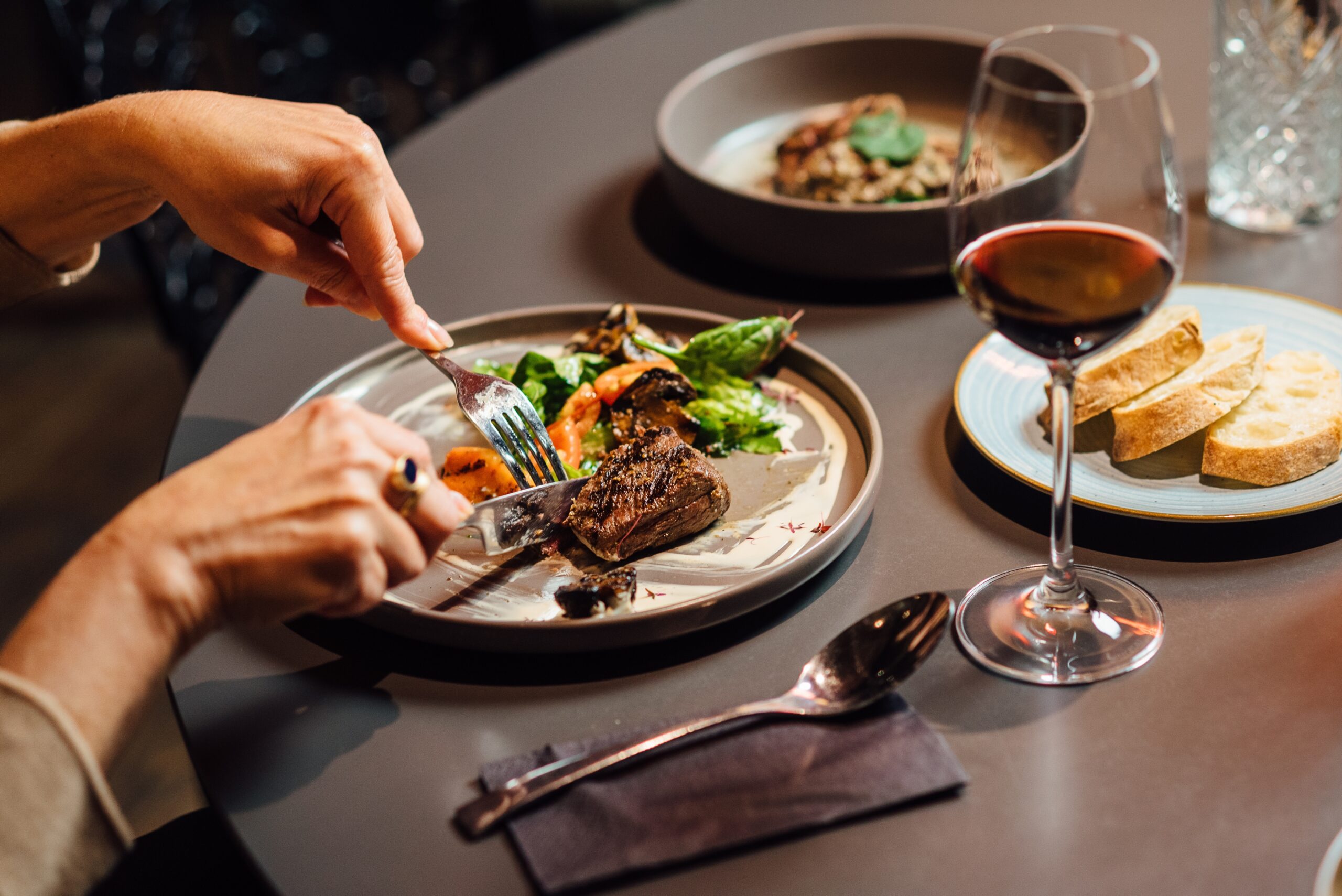
There was a time when eating at a museum meant grabbing a coffee, a wrapped sandwich, or a pastry before heading back into the galleries. It was convenient, but rarely memorable. The restaurant was the pause between the art, not part of the experience itself.
That is changing.
Across the world, museums and cultural institutions are rethinking what it means to spend time with art. Visitors are no longer being asked to simply look, leave, and move on. They are being invited to linger. To have dinner after the galleries close. To meet friends before a performance. To sit with a glass of wine, talk about what they have just seen, and let the experience extend beyond the walls of the exhibition.
In that shift, food is becoming more than an amenity. It is becoming part of the cultural programming.
The connection makes sense. A great museum visit asks people to slow down and notice. So does a great meal. Both rely on composition, memory, detail, and feeling. Both can be playful, serious, beautiful, surprising, or rooted in place. When they work together, the result can turn a simple afternoon into a fuller experience.
It is a trend showing up in major cities and smaller cultural destinations alike. In Lisbon, the Museu de Arte Contemporânea Armando Martins, known as MACAM, has drawn attention for pairing its galleries with Contemporâneo Food & Wine Restaurant, where visitors can dine in a setting tied to the museum’s sculpture garden. In Spain, the Museum of Málaga is now home to Blossom, a Michelin-starred restaurant from chef Emi Schobert. At the Fenix museum in Rotterdam, O Anatolian Café brings Turkish flavors into a museum dedicated to migration. In Atlanta, the Woodruff Arts Center has opened Elise, a restaurant designed to extend the arts experience beyond the stage and gallery. In Sydney, the Museum of Contemporary Art Australia’s Canvas uses a seasonal chef-in-residence model, giving the museum restaurant its own evolving creative identity.
What these places share is a belief that the cultural experience does not have to end at the gallery door.
That idea feels especially natural in Napa Valley, where taste and place have always been closely linked. Wine made Napa famous, but the region’s deeper appeal has always been about craft: the vineyard, the meal, the design of a room, the care of a table, the way a landscape changes in the light. Visitors come for wine, but they often leave remembering the whole composition.
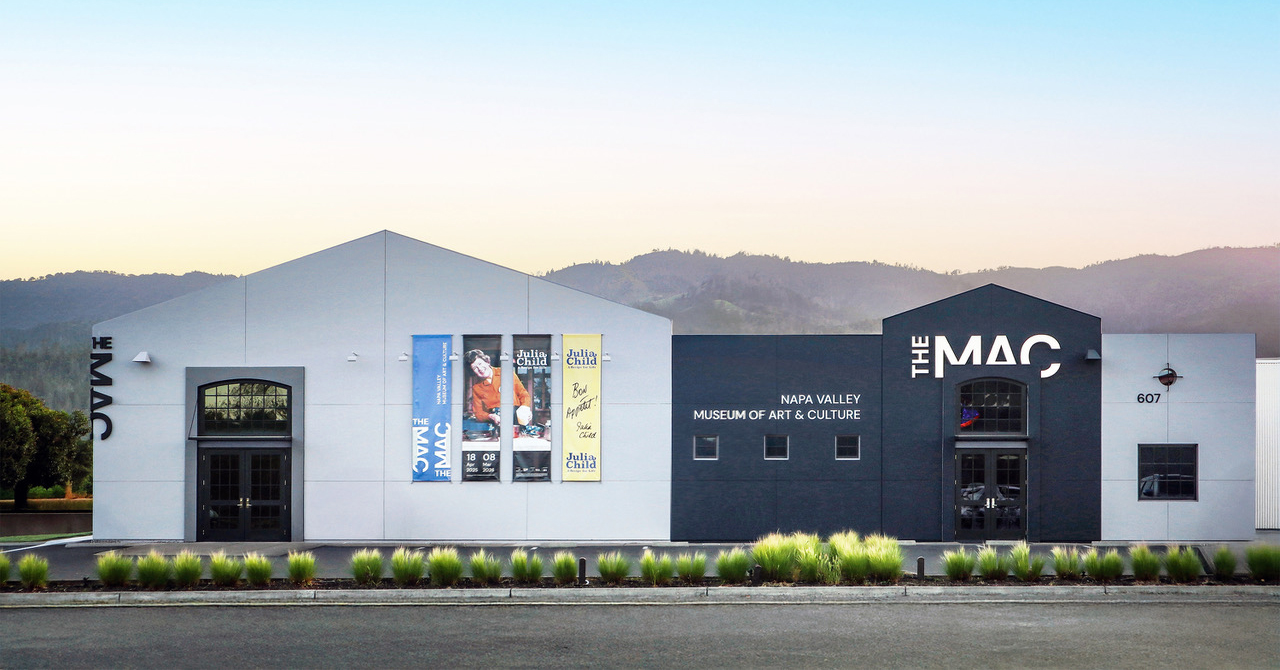
In St. Helena, Napa Valley Museum of Art & Culture, known as The MAC, and neighboring Under-Study fit beautifully into this wider movement. Together, they offer a Wine Country version of the museum-and-dining experience: art next door to food, cultural programming alongside culinary imagination, and a sense that Napa’s future is becoming more layered than the familiar tasting-room itinerary.
The MAC gives visitors a cultural anchor in St. Helena, expanding the idea of what a Napa day can include. As part of Napa Valley Museum’s growing presence across the region, it positions art, history, and design within the flow of Wine Country travel. For locals, it adds a place to gather around exhibitions and ideas. For day-trippers, it offers a thoughtful stop along Highway 29. For repeat visitors, it gives Napa another dimension.
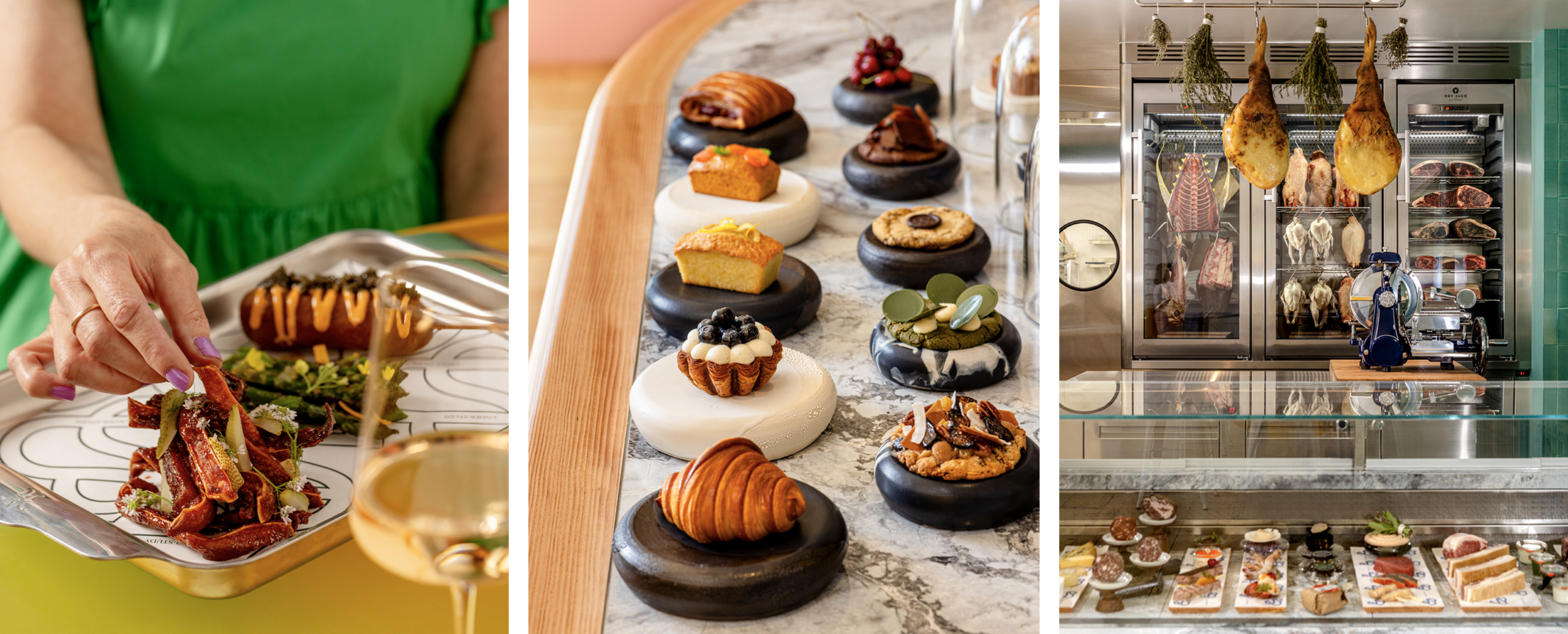
Under-Study adds the culinary counterpoint. The café and gathering place occupies a space with its own rich Napa Valley history. It was once home to Dean & DeLuca, opened in St. Helena by food and wine entrepreneur Leslie Rudd, founder of PRESS and Rudd Estate, bringing a taste of New York’s iconic gourmet market to Wine Country.
Today, under the leadership of Samantha Rudd, Chef Partner Philip Tessier, and Managing Partner Justin Williams, Under-Study has reimagined the space as a modern, colorful culinary playground where creativity, tradition, and innovation meet. Located alongside The MAC, it gives museum visitors an added reason to make the stop, whether for coffee, a bite, a longer meal, or simply a chance to let the museum experience continue in a different form.
The pairing works because it does not feel forced. Napa already teaches visitors how to pay attention. Wine asks them to think about soil, weather, time, and craft. Food asks them to think about ingredients, technique, season, and place. Art asks them to think about color, form, story, and emotion. At their best, all three are part of the same language.
That is why museum dining feels less like a novelty and more like a natural evolution. Cultural institutions are recognizing that people want experiences with texture. They want places where they can look, taste, talk, and stay a little longer. They want the day to have rhythm.
For destinations, this matters. A restaurant can make a museum more welcoming. A museum can give a meal more context. Together, they can create a reason to visit that is not only about seeing one exhibition or booking one reservation, but about experiencing a place more fully.
Napa Valley is well suited for that kind of experience. The region will always be known for wine, and rightly so. But food, art, design, and culture are becoming increasingly central to how visitors understand the valley. A day in Napa can now include a museum visit, a thoughtful meal, a walk through town, a tasting, and a deeper connection to the people and ideas shaping the region.
The best museum restaurants are not just places to eat. They are invitations to linger. They make culture more social, more sensory, and more accessible. They remind us that art does not live only on walls, and a great meal is not only about what is on the plate.
Sometimes the most memorable part of a cultural outing happens in the space between the gallery and the table.
For Bay Area travelers, Napa Valley has always been one of the easiest ways to feel like you have escaped without going very far. From San Francisco, Oakland, San Jose, Sacramento, Santa Rosa, and the surrounding communities, the drive is manageable, the scenery is beautiful, and the payoff is immediate. You can leave in the morning, spend the day among vineyards, restaurants, shops, and country roads, and still be home by evening.
For many visitors, wine is the main attraction. That is unlikely to change. Napa Valley remains one of the most famous wine regions in the world. But more and more, day-trippers are looking for experiences that add something extra to the trip. They want art, design, history, film, music, and a stronger sense of place.
That is where Napa Valley Museum comes in.
With two locations, Napa Valley Museum Yountville and Napa Valley Museum of Art & Culture, known as The MAC, the Museum is helping expand what a Napa day trip can be. It gives visitors a way to experience the valley through creativity, not just hospitality. For Bay Area day-trippers, it can make a familiar destination feel new again.
A Different Kind of Napa Day
A great Napa day does not have to be built only around tastings and reservations. It can start with coffee and a scenic drive, continue with a museum visit in Yountville or St. Helena, and then move into lunch, shopping, wine tasting, or a relaxed walk through town.
The Museum fits naturally into that kind of itinerary. It is flexible, accessible, and easy to pair with the rest of the day. For couples, it can add a thoughtful cultural stop before dinner. For families, it offers something engaging that does not revolve around wine. For visitors staying in San Francisco, it provides another reason to spend the day in the valley.
A visit to The MAC also comes with an added culinary bonus: Under-Study, the neighboring café and gathering place located in a space with its own rich Napa Valley food history. The site was once home to Dean & DeLuca, opened in St. Helena by food and wine entrepreneur Leslie Rudd, founder of PRESS and Rudd Estate, bringing a taste of New York’s iconic gourmet market to Wine Country. Today, under the leadership of Samantha Rudd, Chef Partner Philip Tessier, and Managing Partner Justin Williams, Under-Study has reimagined the space as a modern, colorful culinary playground where creativity, tradition, and innovation meet. For Museum visitors, it adds another layer to the experience, making a trip to The MAC not only a cultural stop, but also an opportunity to enjoy the kind of food, design, and hospitality that continue to define Napa’s evolving sense of place.
It also gives the Napa experience more texture. The region is known around the world for wine and food, but it is also shaped by history, landscape, craftsmanship, design, and creativity. Napa Valley Museum brings those layers forward in a way that is easy for visitors to enjoy.
Two Locations, More to Explore
Napa Valley Museum now operates across two distinct locations. Napa Valley Museum Yountville, known as NVMY, is located at 55 Presidents Circle in Yountville. The Museum’s newer flagship location, Napa Valley Museum of Art & Culture, The MAC, is located at 607 St. Helena Highway in St. Helena.
Together, the two locations create a broader cultural map of the valley. Visitors can choose one museum based on their plans for the day, or build both into a larger Napa outing. For anyone driving through Wine Country, the Museum’s presence in both Yountville and St. Helena makes it easy to add art and culture without going far out of the way.
Current Exhibitions Worth Adding to the Day
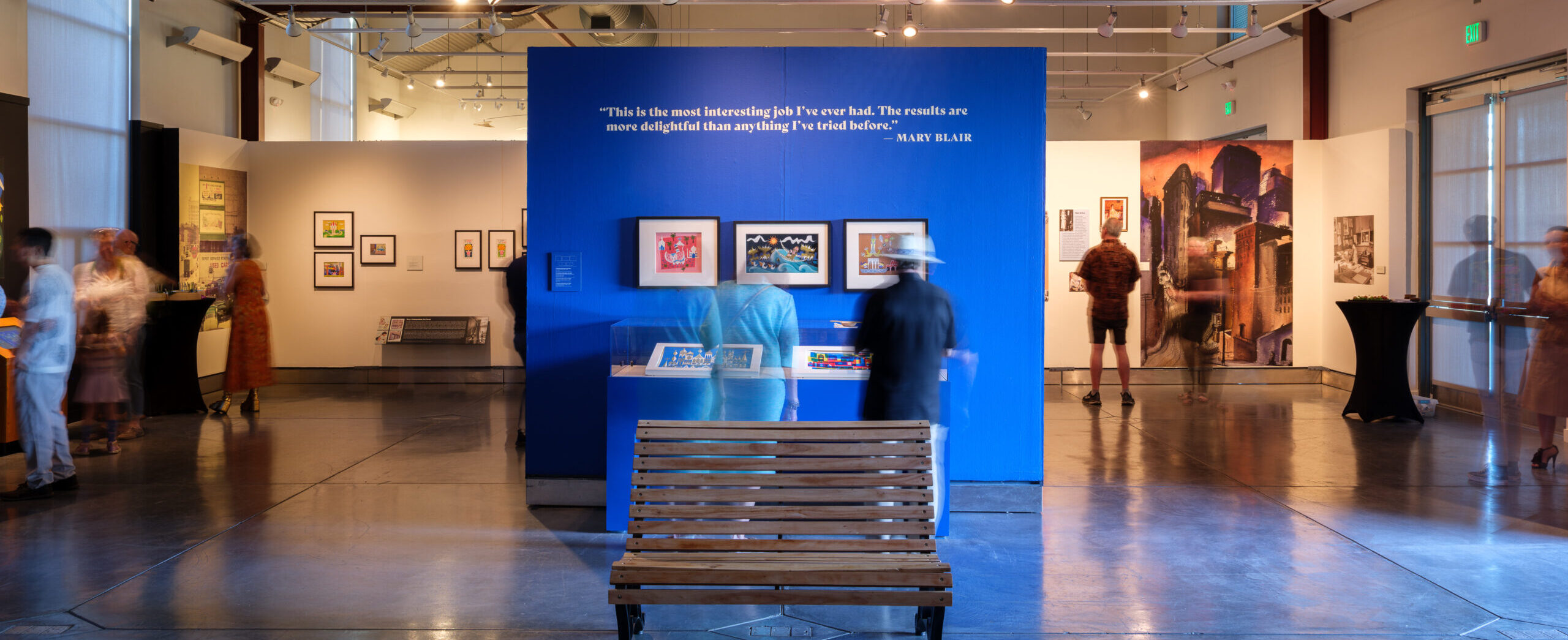
This summer, the Museum’s exhibitions offer two very different reasons to visit.
At The MAC in St. Helena, The Wyeths: Three Generations | Works from the Bank of America Collection is on view through September 13, 2026. The exhibition explores the artistic legacy of N.C., Andrew, and Jamie Wyeth, three generations of one of America’s most recognizable artistic families.
Presented alongside it is My Andy: Photographs by Victoria Wyeth, a companion exhibition created by Napa Valley Museum. Through Victoria Wyeth’s photographs of her grandfather, Andrew Wyeth, visitors get a more personal view of the artist’s private world, daily life, and creative presence.
At Napa Valley Museum Yountville, Mary Blair: Mid-Century Magic celebrates the influential artist and designer whose work helped shape the visual style of beloved Disney films and attractions. Colorful, nostalgic, and accessible, the exhibition is a natural fit for families, Disney fans, design lovers, and anyone drawn to mid-century imagination.
Summer Events Add to the Fun
The Museum is also adding summer programming that gives day-trippers even more reason to plan a visit.
On Friday, July 3, 2026, Napa Valley Museum Yountville will present a special Independence Day Weekend edition of Friday Night Films with A Hard Day’s Night, the classic Beatles film directed by Richard Lester. The screening takes place inside Mary Blair: Mid-Century Magic, with exhibition admission included in the ticket.
The pairing is a fun one. The film was released in 1964, the same year Walt Disney unveiled Mary Blair’s “it’s a small world” at the New York World’s Fair. Together, the screening and exhibition offer a lively snapshot of mid-1960s music, film, design, and pop culture.
Later in the summer, Victoria Wyeth will appear at The MAC from August 7 to 9 during the Wyeth exhibitions. Her visit gives guests the opportunity to experience the work with added personal context from someone directly connected to the family story.
A Fuller Wine Country Experience
For Bay Area hotels, tour operators, luxury transportation companies, and travel planners, Napa Valley Museum offers a natural addition to a day-trip itinerary. It gives guests something meaningful to do between tastings, or a cultural anchor for those who want a more rounded Wine Country experience.
For visitors, the appeal is simple. The Museum makes the day feel fuller.
Napa Valley will always be known for wine, and that is part of its magic. But for Bay Area day-trippers looking for something more, Napa Valley Museum offers another way to experience the valley: through art, culture, history, film, and imagination.
For tickets, hours, and full event details, visit napavalleymuseum.org.
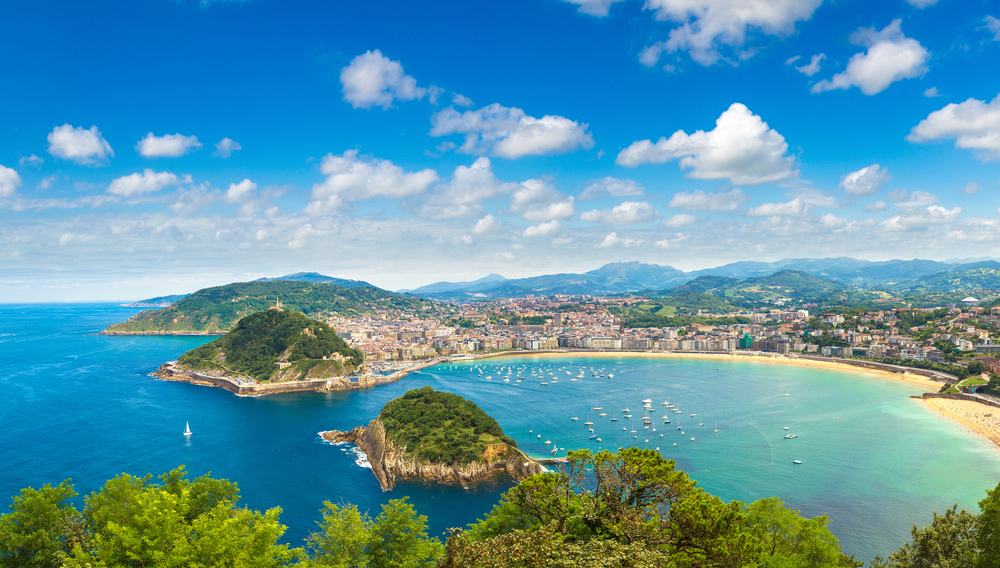
For travelers from the United States craving sun drenched coasts, rich culture, and incredible food, San Sebastián delivers on every front. Nestled on the coast of northern Spain, this Basque city combines stunning sea views and charming historic quarters with one of the densest and most creative food cultures in Europe. With tiny pintxo bars around every corner and Michelin starred restaurants that stand among the world’s best, San Sebastián offers a gastronomic escape unlike any other.
Whether you are a seasoned foodie or someone simply looking to combine beach, culture, and delicious meals, San Sebastián makes for a perfect getaway.
Why San Sebastián is Known as a Foodie Capital
Pintxos culture defines the city’s rhythm. Pintxos, the Basque version of tapas, are more than snacks here. They are a ritual, a way to taste your way through narrow historic streets from bar to bar. Small bites of creative, fresh, and often seafood heavy dishes served with local wines or cider make everyday dining a joyful experience.
Unmatched culinary prestige. San Sebastián boasts one of the highest concentrations of Michelin starred restaurants per capita worldwide. Some of the most iconic names in gastronomy, including Arzak, Akelarre, and Martín Berasategui (just outside the city), deliver tasting menus that blend Basque tradition with global creativity.
Sea meets land: fresh produce and seafood. The city’s coastal location means seafood stars on many menus: think salt cod dishes, hake cheeks, shellfish, and local catches. Inland and nearby farmland help supply fresh produce, herbs, and cheeses so that Basque cuisine stays deeply rooted in the land and sea.
In San Sebastián, food feels like more than sustenance. It feels like culture, ritual, and celebration.
What to Eat: Iconic Pintxos and Local Dishes
When you are in San Sebastián, there are flavors you simply cannot miss. Here are some of the staples and local specialties that make the city a food lover’s dream:
-
Gilda: A classic pintxo of anchovy, olive, and guindilla pepper, salty, sharp, and perfectly balanced.
-
Salt cod dishes (such as bacalao al pil pil): Traditional Basque cod prepared in olive oil and garlic, often silky and deeply flavorful.
-
Seafood specialties such as hake cheeks, squid, crab, and shellfish: Fresh local seafood that showcases the bounty of the Bay of Biscay.
-
Grilled meats (such as a Basque steak or txuleta): For land lovers, hearty, well prepared meats, often with simple yet bold seasoning and excellent produce based sides.
-
Local cider or Basque wines such as txakoli: Crisp, refreshing, and often the perfect match for seafood or pintxos.
Where to Eat: Pintxo Bars, Old Town, and Michelin Magic
Pintxo Bars and Old Town (Parte Vieja)
The narrow, winding streets of the Old Town (Parte Vieja) are the heartbeat of San Sebastián’s food scene. Here you will find countless pintxo bars, each with its own specialty and personality. A night spent “pintxo hopping” with locals and travelers alike offers a slice of the city’s most authentic flavor.
Some popular bars and favorites among visitors and locals include:
La Cuchara de San Telmo, known for inventive small plates and an intimate atmosphere.
Gandarias, a classic spot for perfectly grilled meats and traditional pintxos.
Hidden gems around lively alleys, where part of the charm is simply exploring and sampling whatever looks good.
Pintxo culture encourages spontaneity: order a drink, choose a couple of pintxos, eat, then walk to the next bar. It is casual, social, fun, and often budget friendly.
Michelin Starred and Fine Dining Restaurants
When you want to elevate your evening beyond pintxos, San Sebastián delivers. The city and the broader Basque region are home to world renowned restaurants that blend Basque tradition with culinary innovation.
Expect avant garde tasting menus, seasonal ingredients, and service that reflects centuries of gastronomic refinement. If you decide to try high end dining, book months in advance, especially during peak travel times.
Beyond Food: Sea, Beach, and Basque Culture
San Sebastián offers more than just incredible meals. It is also a beautiful seaside city, combining gourmet dining with coastal charm:
Its beaches and ocean views are among the most attractive in northern Spain, offering a balance of surf, sand, and stroll worthy promenades.
The city’s walkable scale lets you explore Old Town, seaside promenades, and modern neighborhoods all in one day.
Local markets and produce stalls provide a look into the region’s ingredients: fresh fish, seafood, local vegetables, cheeses, and wines all reflect Basque heritage and the quality of its lands and waters.
For Americans, San Sebastián offers a rare combination: Mediterranean style coast, European culture, and food that rivals, and often surpasses, many of the world’s famous culinary capitals.
Tips for U.S. Travelers Visiting San Sebastián
Plan ahead: for pintxo hopping, spontaneity works. For fine dining or Michelin starred meals, book well in advance.
Mix and match: alternate casual bar hopping nights with one or two upscale meals to taste the full range of what the city offers.
Allow time to wander: part of San Sebastián’s charm is discovering bars or restaurants by chance. Leave space for spontaneous detours.
Try local drinks: pair meals with Basque wines or cider, especially when enjoying seafood or pintxos.
Combine food with coastline: daytime walks on promenades or beach visits followed by evening meals and tapas make for a balanced and memorable trip.
A City for Food Lovers and Sea Lovers: San Sebastián Awaits
If you are dreaming of a Europe trip that brings together beautiful coastline, rich culture, and some of the best food in the world, San Sebastián should rank high on your list. Whether you wander from pintxo bar to pintxo bar or indulge in a refined tasting menu, the flavors, warmth, and spirit of the Basque coast deliver both satisfaction and delight.
For American travelers ready to trade routine for indulgence, San Sebastián offers an irresistible invitation: come hungry, come curious, stay for the food, the sea, and the magic.
-

 Wellness1 year ago
How a Billion-Dollar Entrepreneur Is Changing Wellness Technology
-

 Wellness1 year ago
The Future Is Personalized: Why Peptides Are the Next Big Thing in Wellness
-

 Wellness1 year ago
The Future of Wellness
-

 Wellness1 year ago
Peptides: The Emerging Frontier in Health and Wellness
-

 Wellness1 year ago
Wellness Gets a Bold New Face: MAKE Launches with Star-Studded Kickoff Event in Florida
-

 Fashion1 year ago
Spring Fashion Trends: Fresh Looks for a New Season
-

 Beauty2 years ago
Beauty as Self Care
-

 Art & Entertainment1 year ago
Read, Watch, Repeat: A Father’s Day Tradition That Brings Stories to Life