Travel
Kerala’s Enchanted Waterways

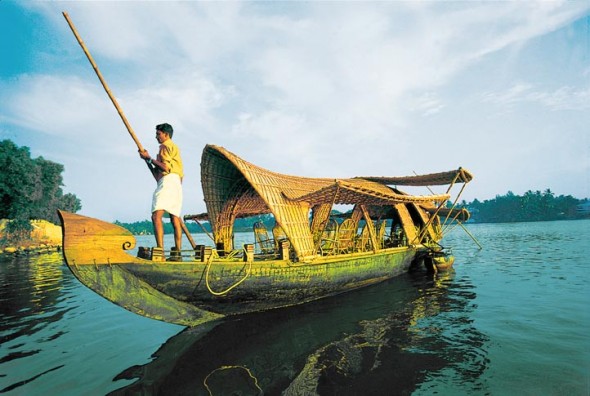
It is claimed that Kerala is the third most popular destination in the world. It has something special to woo every visitor— from lush green forests, beautiful blue hills, superb wildlife sanctuaries to clean, golden beaches and palm fringed backwaters.
The placid beauty of Kerala’s southern Backwaters is something you won’t find elsewhere. The luxuriantly verdant, somnolent landscape has mercifully not yet been assailed by the style gurus and transformed into a model of 21st century chic.
The Backwaters are instrumental in shaping the life style of its inhabitants and in addition, provide an extraordinary means of transportation. Kerala’s ancient, unusual geographical legacy has remained largely unchanged over the slow passage of many centuries. It is a labyrinth of shimmering waterways consisting of countless dreamy lagoons, gently curving waterways, wet and vividly green paddy fields, swaying palm trees, and a singularly gentle, happy people.
I’m delighted to find a conspicuous absence of the hassle and aggression that invariably confronts most tourists in Northern India. The coastal Kerala I know is friendly, laid-back and fun, and its people have learned to harmonise with nature, and live off its generous bounty. I happily surrender to the siren song of this unique corner of India.
My cruise from Kollam to Alappuzha is an exhilarating eight-hour journey through a thousand shades of green. It is my first, fascinating encounter with a verdant Venice, where nature, instead of man, has created the glory.
I hire a small houseboat, which has a single bedroom with an attached toilet and shower, an open upper deck for lounging, and a kitchenette. For company, I have two oarsmen and a cook, who minister silently and unobtrusively to my needs. On enquiry, I learn that most Kettuvalloms or houseboats, are built in the nearby boat-building town of Alumkadavu. Originally, these were used as cargo carriers, but have since been ingeniously adapted to fashion some of the most luxuriously furnished means of transport.
A few of these giant crafts are 80 feet in length.
Constructed with great skill and care, these houseboats consist of two bedrooms with attached bathrooms, an open lounge, a kitchenette and a crew comprising oarsmen, a cook and if required, a guide. The cuisine available on board is enriched with exotic tropical vegetables, fruits, cereals, seafood and herbs. The meals are garnished with the distinctive aroma of pepper, cardamom, chillies and cloves, — spices that lured explorers like Marco Polo and Vasco da Gama from across the seas. It is anholistic, natural fare and follows the tenets of Ayurveda, but is tailored to suit individual preferences.
Our little boat whispers through calm waters, along shallow lakes with shorelines thickly wooded with coconut palms. These are frequently dotted with cantilevered, Chinese fishing nets. I am informed that this system of fishing was imported into Kerala from China during the 13th century, while Kublai Khan’s marauding Mongols were ravaging much of Asia.
I sit on a deckchair, a straw hat shielding my eyes from the sun. The soft, soothing murmur of calm waters and swaying palms gradually unwinds my tightly coiled nerves. As we move smoothly along narrow, sun-dappled canals I see coir, copra and cashews being loaded into boats. I watch peddlers in small canoes moving from canal to lake, to lagoon, to canal, vending their wares from house to house. I lazily observe and marvel at the lives of these happy people who fish, play, plant, harvest and sing in a seamless cycle of simple needs and simple solutions.
A small group of children swim near the shore. They wave to me and I wave back. I note that one of them is scarcely three years old. At my look of enquiry, one of the oarsmen laughs and remarks that here, life revolves around the water, and children learn to swim before they walk.
Often they learn to manage a small boat before learning to cope with a bicycle. I laugh in response, and throw a handful of cellophane wrapt sweets, onto the shore. The children whoop in delight and scramble ashore after the goodies. I chuckle and reach for the glass of chilled beer thoughtfully placed at my elbow by the smiling boat attendant. I convey my thanks with an appreciative smile.
While my eyes take in the rustic life passing by, my palate is pampered with backwater delicacies. The lunch consists of kappa, meen curry and rice. Cool, tender coconut water and a scoop of its soft white flesh are the perfect partners to the curry. The meal is rounded off with a generous helping of payasum, a sweet, rich milk delicacy prepared with vermicelli and dried fruits in a rice paste. It is Kerala’s favourite dessert. It’s prepared in scores of flavours and garnished with raisins and fried nuts. A brief half hour siesta on the deck, and I feel revitalized, with all the batteries of my body and mind fully recharged.
In quick succession we pass a church half hidden in a thick grove of coconut palms and, barely a minute later, a temple nestling close to a mosque. I have never really appreciated the fact that Kerala is a crossroads of various faiths where Christians, Moslems and Jews planted their first markers in India. Later I see a plethora of churches, mosques and temples. And in Kochi, an incredibly beautiful 16th century synagogue. It is a remarkable lesson in happy co-existence.
Evening draws near and the western sky puts on a magnificent display of colour and light as the thin, scattered clouds, are tinctured with numerous shades of gold, crimson, coral, mauve and deep blue. As the sun sets in a blaze of colour, I realise that the magic of the backwaters reaches the pinnacle of its glory in the shimmering hours before dusk.
From somewhere not too far away the wind carries the rich strains of a boatman’s song. My heart joins in his song and, nursing a glass of single malt in hand, my thoughts drift in a euphoric half-trance of serenity. The world prepares for the night hours as the sky reluctantly relinquishes its rich palette of colours and the dark velvet of the night tiptoes across the firmament.
My mind is lost in wonder at the incredible numbers of stars scattered across the night sky and my heart is overwhelmed by the lyrical sounds of the night. Stillness blends with stillness, and the darkness whispers to itself. I feel overwhelmed by a sense of intense serendipity within and around me, as I continue my enchanted voyage.
Life can be so simple. And beautiful.
© DON ALNEY
Website www.donalney.com
Facts File
GETTING THERE:
By Air: Airports at Thiruvananthapuram, Kochi and Kozhikode link Kerala nationally and internationally.
By Rail: Connections are available from all important cities in India.
By Road: Services from all tourist centres in India. The Kerala Road Transport Corporation and private bus services provide transportation to just about anywhere in Kerala.
BOAT TRIPS
The normal State ferry leaves Kollam for Alappuzha daily. The State Water Transport Service Ferry also departs from Kollam at the same time.
For those who desire more space on board, the Alappuzha Tourism Development Co-operative Society operates boats that leave on Tuesdays, Thursdays and Saturdays. The backwater trip starts in the morning. It takes a little over eight hours. Shorter trips are also organised from Kochi.
SHOPPER’S PARADISE
Kerala’s unique shopping offers include the renowned Aranmula mirrors. These are fashioned out of metal and produced at Arunmula, a small town near Alappuzha. The mirrors are made with a special alloy of copper, brass, lead and bronze. Once upon a time, these were an essential part of royal households. However, today these ornamental mirrors are rare, and only two artisans and their families still make these priceless objects de art.
Other souvenirs include carved wooden figurines, bell-metal products, handicrafts, coir-products, and antique arts including paintings, brassware and wood works.
While shopping, do not forget to nibble at the piping hot banana chips sold straight from the frying pan, and available at most roadside kiosks.


Planning a surf trip to South Africa? Durban offers warm Indian Ocean waves and a gateway to golf, coastal adventures and safaris in the heart of Zululand.
In Durban, an early start comes with its own reward. The sun rises over the Indian Ocean, surfers walk across the sand, and the first decision of the day is where to paddle out.
For travelers interested in surfing in South Africa, this east coast city deserves a place on the itinerary. Warm water, established breaks and a deeply rooted surf culture make Durban an appealing destination for a holiday built around the ocean.
But there is good reason to bring more than a surfboard. Durban is also a starting point for exploring KwaZulu-Natal, where championship golf, coastal adventures and wildlife reserves can become part of the same journey. Head north into Zululand and a surf holiday can include several memorable days on safari.
Why Choose Durban for Surfing in South Africa?
Durban’s appeal starts with its beachfront. Along the Golden Mile, beaches and piers frame well-known surf spots including North Beach, Bay of Plenty and New Pier. These breaks have helped shape the city’s surfing identity and remain central to its beach culture.
The variety makes surfing in Durban worth exploring at different experience levels. Beginners can find a gentler introduction around Addington, where the sheltered setting often produces smaller waves. Experienced surfers can explore the city’s established breaks and the wider KwaZulu-Natal coastline, guided by their ability and the conditions.
Local advice helps. Sandbanks shift, winds change and the best spot on one morning may be different the next. Taking a lesson or seeking guidance can help visitors make better use of their time in the water.
There is plenty to enjoy between sessions, too. Breakfast after a morning surf, a walk along the promenade and an unhurried lunch all fit comfortably into a Durban beach holiday.
Surf Trips to South Africa With More to Explore
A good surf trip leaves room to discover the destination. That is the approach behind SurfBru.com, a new surf travel service bringing together surfing, golf, adventure and safaris in KwaZulu-Natal.
For travelers researching surf trips to South Africa, the idea is appealing: start with the waves, then build a holiday around the other experiences the region offers.
It also makes sense for couples, families and groups with different interests. One traveler might want to surf every morning, while another prefers a round of golf, a wildlife outing or a relaxed day on land.
SurfBru’s ambassadors include Durban surfing figures Travis Logie, the 2002 ISA world champion, and big-wave world champion Grant “Twiggy” Baker, alongside former Championship Tour surfer and WSL commentator Rosy Hodge. Those connections give the service roots in South African surfing.
The broader itinerary means there is something to look forward to even when the waves take a day off.
Add Golf to Your South Africa Surf Holiday
Travelers looking to combine surfing and golf in South Africa can include both in a Durban stay. Durban Country Club offers championship golf within the city, making a round a practical addition to time at the beach.
Durban-born DP World Tour professional and SurfBru ambassador Michael Hollick, himself an avid surfer, reflects the natural connection between the two pursuits.
The key is to leave enough time to enjoy each. A surf holiday does not need a packed schedule to feel rewarding. Set aside a morning for golf, keep some flexibility for favorable surf conditions and allow the occasional lunch to run long.
For groups planning golf and safari holidays in South Africa, Durban can also provide a coastal starting point before the journey continues north.
Combine Surfing With a Safari in Zululand
A South Africa surf and safari holiday offers two very different outdoor experiences within one trip.
North of Durban, Zululand’s wildlife reserves provide a reason to leave the coast for several days. At Hluhluwe-iMfolozi Park, visitors have the chance to encounter Africa’s Big Five: lion, leopard, elephant, rhino and buffalo. Wildlife sightings are never guaranteed, making patient observation part of the experience.
The early starts may feel familiar after a few mornings of surfing, but the rhythm changes. On safari, attention shifts to movement in the bush, tracks beside the road and the knowledge of a good guide.
Spending several nights allows this part of the holiday to develop beyond a quick excursion. There is time for different game drives, quieter encounters and evenings spent talking about what appeared along the way.
A KwaZulu-Natal safari gives a surf trip another dimension, particularly for visitors making their first journey to South Africa.
Explore KwaZulu-Natal Beyond the Beach
The wider northern coastline offers further opportunities for adventure. Within iSimangaliso Wetland Park, destinations such as Cape Vidal and Sodwana Bay add protected coastal landscapes, beaches and diving to the possibilities.
Choose the experiences that matter most to your group rather than trying to fit everything into one visit. A few well-planned stops, with time to enjoy each, can make a more satisfying holiday than a daily change of destination.
When Is the Best Time for Surfing in Durban?
For travelers putting surfing first, the South African winter, particularly June through August, deserves consideration. It generally brings stronger groundswell and favorable surf conditions.
Summer offers hotter days, although early sessions can be worthwhile before onshore winds develop. The best time for your trip depends on your surfing ability, the conditions you prefer and the other activities you want to include.
Planning a Durban Surf, Golf and Safari Trip
Start with a few days on the Durban beachfront to settle in and find your rhythm. Leave space for golf and coastal exploring, then give the safari portion of the journey time of its own.
SurfBru brings these interests together for travelers who want the waves at the heart of their holiday while experiencing more of the region.
For anyone considering surfing in South Africa, Durban offers a compelling beginning. The golf courses, coastline and wildlife of KwaZulu-Natal give you plenty of reasons to stay longer.
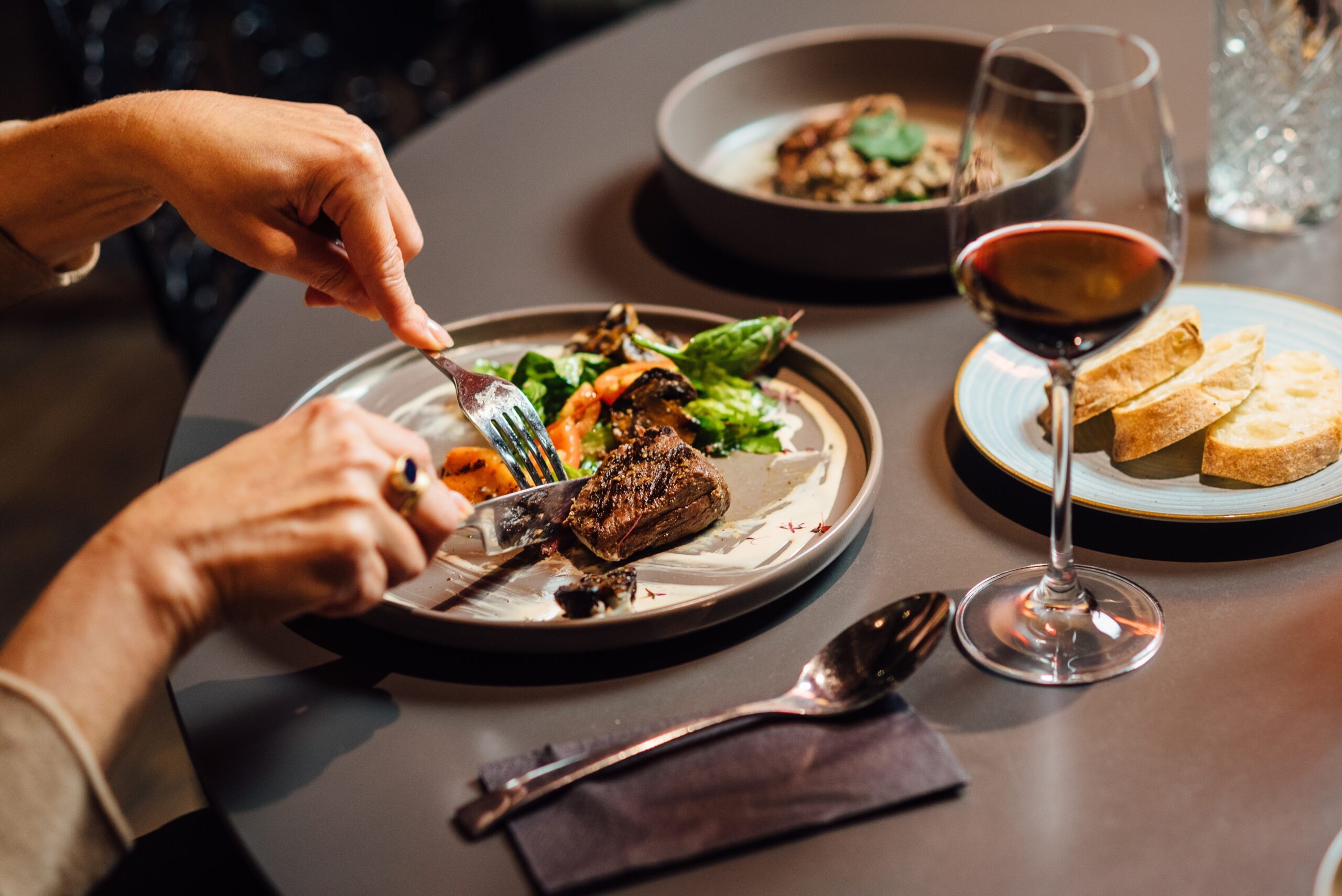
There was a time when eating at a museum meant grabbing a coffee, a wrapped sandwich, or a pastry before heading back into the galleries. It was convenient, but rarely memorable. The restaurant was the pause between the art, not part of the experience itself.
That is changing.
Across the world, museums and cultural institutions are rethinking what it means to spend time with art. Visitors are no longer being asked to simply look, leave, and move on. They are being invited to linger. To have dinner after the galleries close. To meet friends before a performance. To sit with a glass of wine, talk about what they have just seen, and let the experience extend beyond the walls of the exhibition.
In that shift, food is becoming more than an amenity. It is becoming part of the cultural programming.
The connection makes sense. A great museum visit asks people to slow down and notice. So does a great meal. Both rely on composition, memory, detail, and feeling. Both can be playful, serious, beautiful, surprising, or rooted in place. When they work together, the result can turn a simple afternoon into a fuller experience.
It is a trend showing up in major cities and smaller cultural destinations alike. In Lisbon, the Museu de Arte Contemporânea Armando Martins, known as MACAM, has drawn attention for pairing its galleries with Contemporâneo Food & Wine Restaurant, where visitors can dine in a setting tied to the museum’s sculpture garden. In Spain, the Museum of Málaga is now home to Blossom, a Michelin-starred restaurant from chef Emi Schobert. At the Fenix museum in Rotterdam, O Anatolian Café brings Turkish flavors into a museum dedicated to migration. In Atlanta, the Woodruff Arts Center has opened Elise, a restaurant designed to extend the arts experience beyond the stage and gallery. In Sydney, the Museum of Contemporary Art Australia’s Canvas uses a seasonal chef-in-residence model, giving the museum restaurant its own evolving creative identity.
What these places share is a belief that the cultural experience does not have to end at the gallery door.
That idea feels especially natural in Napa Valley, where taste and place have always been closely linked. Wine made Napa famous, but the region’s deeper appeal has always been about craft: the vineyard, the meal, the design of a room, the care of a table, the way a landscape changes in the light. Visitors come for wine, but they often leave remembering the whole composition.
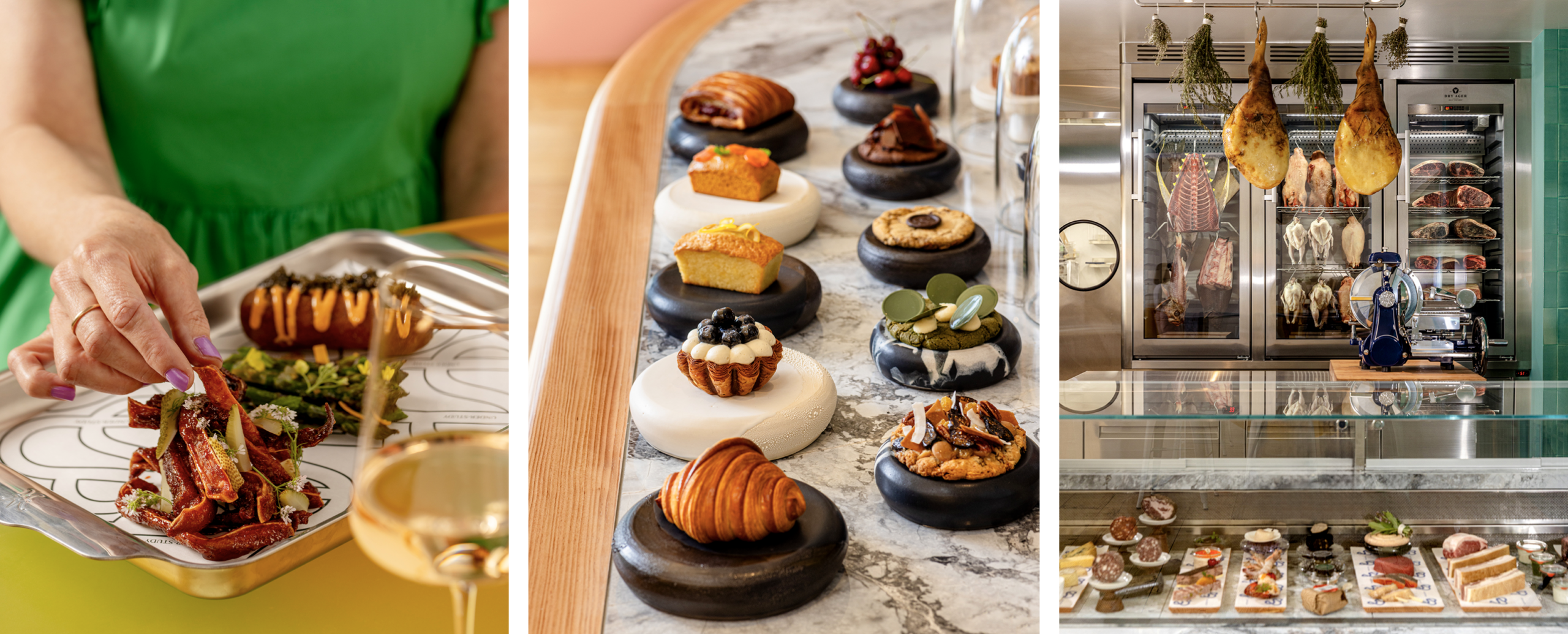
In St. Helena, Napa Valley Museum of Art & Culture, known as The MAC, and neighboring Under-Study fit beautifully into this wider movement. Together, they offer a Wine Country version of the museum-and-dining experience: art next door to food, cultural programming alongside culinary imagination, and a sense that Napa’s future is becoming more layered than the familiar tasting-room itinerary.
The MAC gives visitors a cultural anchor in St. Helena, expanding the idea of what a Napa day can include. As part of Napa Valley Museum’s growing presence across the region, it positions art, history, and design within the flow of Wine Country travel. For locals, it adds a place to gather around exhibitions and ideas. For day-trippers, it offers a thoughtful stop along Highway 29. For repeat visitors, it gives Napa another dimension.
Under-Study adds the culinary counterpoint. The café and gathering place occupies a space with its own rich Napa Valley history. It was once home to Dean & DeLuca, opened in St. Helena by food and wine entrepreneur Leslie Rudd, founder of PRESS and Rudd Estate, bringing a taste of New York’s iconic gourmet market to Wine Country.
Today, under the leadership of Samantha Rudd, Chef Partner Philip Tessier, and Managing Partner Justin Williams, Under-Study has reimagined the space as a modern, colorful culinary playground where creativity, tradition, and innovation meet. Located alongside The MAC, it gives museum visitors an added reason to make the stop, whether for coffee, a bite, a longer meal, or simply a chance to let the museum experience continue in a different form.
The pairing works because it does not feel forced. Napa already teaches visitors how to pay attention. Wine asks them to think about soil, weather, time, and craft. Food asks them to think about ingredients, technique, season, and place. Art asks them to think about color, form, story, and emotion. At their best, all three are part of the same language.
That is why museum dining feels less like a novelty and more like a natural evolution. Cultural institutions are recognizing that people want experiences with texture. They want places where they can look, taste, talk, and stay a little longer. They want the day to have rhythm.
For destinations, this matters. A restaurant can make a museum more welcoming. A museum can give a meal more context. Together, they can create a reason to visit that is not only about seeing one exhibition or booking one reservation, but about experiencing a place more fully.
Napa Valley is well suited for that kind of experience. The region will always be known for wine, and rightly so. But food, art, design, and culture are becoming increasingly central to how visitors understand the valley. A day in Napa can now include a museum visit, a thoughtful meal, a walk through town, a tasting, and a deeper connection to the people and ideas shaping the region.
The best museum restaurants are not just places to eat. They are invitations to linger. They make culture more social, more sensory, and more accessible. They remind us that art does not live only on walls, and a great meal is not only about what is on the plate.
Sometimes the most memorable part of a cultural outing happens in the space between the gallery and the table.
For Bay Area travelers, Napa Valley has always been one of the easiest ways to feel like you have escaped without going very far. From San Francisco, Oakland, San Jose, Sacramento, Santa Rosa, and the surrounding communities, the drive is manageable, the scenery is beautiful, and the payoff is immediate. You can leave in the morning, spend the day among vineyards, restaurants, shops, and country roads, and still be home by evening.
For many visitors, wine is the main attraction. That is unlikely to change. Napa Valley remains one of the most famous wine regions in the world. But more and more, day-trippers are looking for experiences that add something extra to the trip. They want art, design, history, film, music, and a stronger sense of place.
That is where Napa Valley Museum comes in.
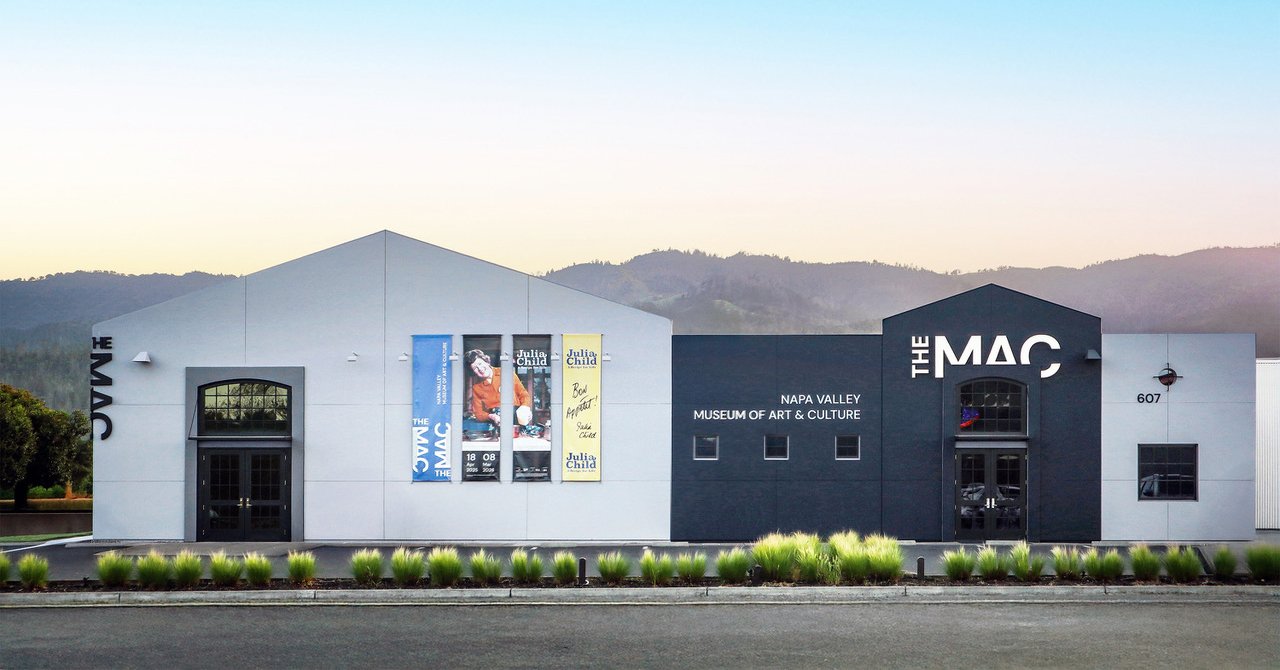
With two locations, Napa Valley Museum Yountville and Napa Valley Museum of Art & Culture, known as The MAC, the Museum is helping expand what a Napa day trip can be. It gives visitors a way to experience the valley through creativity, not just hospitality. For Bay Area day-trippers, it can make a familiar destination feel new again.
A Different Kind of Napa Day
A great Napa day does not have to be built only around tastings and reservations. It can start with coffee and a scenic drive, continue with a museum visit in Yountville or St. Helena, and then move into lunch, shopping, wine tasting, or a relaxed walk through town.
The Museum fits naturally into that kind of itinerary. It is flexible, accessible, and easy to pair with the rest of the day. For couples, it can add a thoughtful cultural stop before dinner. For families, it offers something engaging that does not revolve around wine. For visitors staying in San Francisco, it provides another reason to spend the day in the valley.
A visit to The MAC also comes with an added culinary bonus: Under-Study, the neighboring café and gathering place located in a space with its own rich Napa Valley food history. The site was once home to Dean & DeLuca, opened in St. Helena by food and wine entrepreneur Leslie Rudd, founder of PRESS and Rudd Estate, bringing a taste of New York’s iconic gourmet market to Wine Country. Today, under the leadership of Samantha Rudd, Chef Partner Philip Tessier, and Managing Partner Justin Williams, Under-Study has reimagined the space as a modern, colorful culinary playground where creativity, tradition, and innovation meet. For Museum visitors, it adds another layer to the experience, making a trip to The MAC not only a cultural stop, but also an opportunity to enjoy the kind of food, design, and hospitality that continue to define Napa’s evolving sense of place.
It also gives the Napa experience more texture. The region is known around the world for wine and food, but it is also shaped by history, landscape, craftsmanship, design, and creativity. Napa Valley Museum brings those layers forward in a way that is easy for visitors to enjoy.
Two Locations, More to Explore
Napa Valley Museum now operates across two distinct locations. Napa Valley Museum Yountville, known as NVMY, is located at 55 Presidents Circle in Yountville. The Museum’s newer flagship location, Napa Valley Museum of Art & Culture, The MAC, is located at 607 St. Helena Highway in St. Helena.
Together, the two locations create a broader cultural map of the valley. Visitors can choose one museum based on their plans for the day, or build both into a larger Napa outing. For anyone driving through Wine Country, the Museum’s presence in both Yountville and St. Helena makes it easy to add art and culture without going far out of the way.
Current Exhibitions Worth Adding to the Day
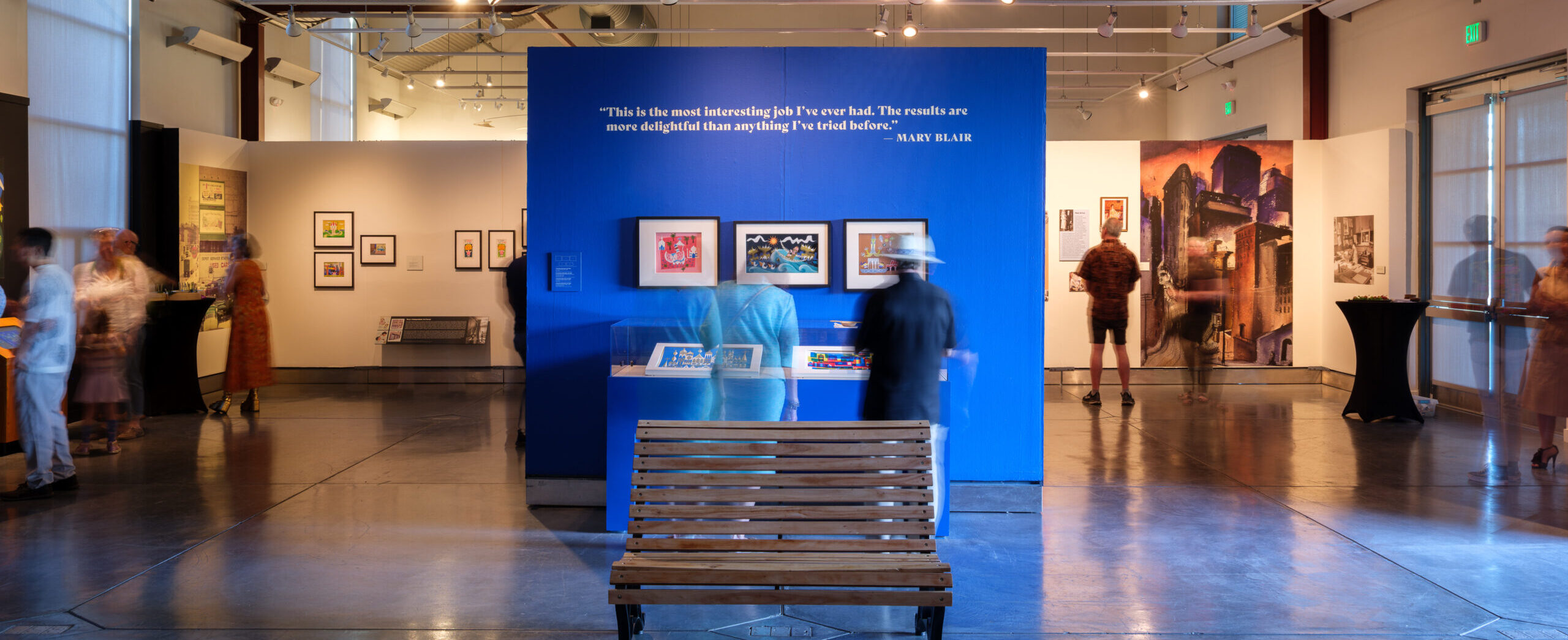
This summer, the Museum’s exhibitions offer two very different reasons to visit.
At The MAC in St. Helena, The Wyeths: Three Generations | Works from the Bank of America Collection is on view through September 13, 2026. The exhibition explores the artistic legacy of N.C., Andrew, and Jamie Wyeth, three generations of one of America’s most recognizable artistic families.
Presented alongside it is My Andy: Photographs by Victoria Wyeth, a companion exhibition created by Napa Valley Museum. Through Victoria Wyeth’s photographs of her grandfather, Andrew Wyeth, visitors get a more personal view of the artist’s private world, daily life, and creative presence.
At Napa Valley Museum Yountville, Mary Blair: Mid-Century Magic celebrates the influential artist and designer whose work helped shape the visual style of beloved Disney films and attractions. Colorful, nostalgic, and accessible, the exhibition is a natural fit for families, Disney fans, design lovers, and anyone drawn to mid-century imagination.
Summer Events Add to the Fun
The Museum is also adding summer programming that gives day-trippers even more reason to plan a visit.
On Friday, July 3, 2026, Napa Valley Museum Yountville will present a special Independence Day Weekend edition of Friday Night Films with A Hard Day’s Night, the classic Beatles film directed by Richard Lester. The screening takes place inside Mary Blair: Mid-Century Magic, with exhibition admission included in the ticket.
The pairing is a fun one. The film was released in 1964, the same year Walt Disney unveiled Mary Blair’s “it’s a small world” at the New York World’s Fair. Together, the screening and exhibition offer a lively snapshot of mid-1960s music, film, design, and pop culture.
Later in the summer, Victoria Wyeth will appear at The MAC from August 7 to 9 during the Wyeth exhibitions. Her visit gives guests the opportunity to experience the work with added personal context from someone directly connected to the family story.
A Fuller Wine Country Experience
For Bay Area hotels, tour operators, luxury transportation companies, and travel planners, Napa Valley Museum offers a natural addition to a day-trip itinerary. It gives guests something meaningful to do between tastings, or a cultural anchor for those who want a more rounded Wine Country experience.
For visitors, the appeal is simple. The Museum makes the day feel fuller.
Napa Valley will always be known for wine, and that is part of its magic. But for Bay Area day-trippers looking for something more, Napa Valley Museum offers another way to experience the valley: through art, culture, history, film, and imagination.
For tickets, hours, and full event details, visit napavalleymuseum.org.
-

 Wellness2 years ago
How a Billion-Dollar Entrepreneur Is Changing Wellness Technology
-

 Wellness2 years ago
The Future Is Personalized: Why Peptides Are the Next Big Thing in Wellness
-

 Wellness2 years ago
The Future of Wellness
-

 Wellness2 years ago
Peptides: The Emerging Frontier in Health and Wellness
-

 Wellness2 years ago
Wellness Gets a Bold New Face: MAKE Launches with Star-Studded Kickoff Event in Florida
-

 Fashion2 years ago
Spring Fashion Trends: Fresh Looks for a New Season
-

 Beauty2 years ago
Beauty as Self Care
-

 Art & Entertainment1 year ago
Read, Watch, Repeat: A Father’s Day Tradition That Brings Stories to Life