
Tech
Smarter Aging: How AI is Helping Us Live Longer—And Better


Imagine a future where aging isn’t just something we endure, but something we can actively shape. Thanks to rapid advances in artificial intelligence, that future is already here. From personalized fitness guidance to smarter living environments, AI is transforming how we approach health and longevity—helping us stay sharper, stronger, and more independent as we age.
Rethinking the Aging Journey with AI
Getting older used to mean a gradual surrender of vitality and control. But today’s technology is flipping that script. AI is helping us better understand our bodies—how we move, rest, and recover—and encouraging smarter choices in daily life. Wearables, fitness trackers, and other digital tools now offer real-time feedback on everything from sleep quality to daily activity, helping users spot subtle shifts that may signal it’s time to check in with a healthcare provider.
These tools don’t diagnose or treat conditions, but they do help people become more attuned to their wellness—creating a powerful starting point for proactive care.
Personalized Longevity: A New Kind of Health Plan
The real promise of AI and aging isn’t just in extending lifespan—it’s in improving the quality of those extra years. Take, for example, a 70-year-old using AI to fine-tune their workout. Instead of relying on generic advice, they can access personalized insights based on recovery patterns, mobility data, and biological feedback. That level of precision—once reserved for elite athletes—is becoming available to anyone with the right tools.
On a cellular level, AI is also accelerating discoveries around compounds like bioactive peptides. These naturally occurring molecules play a vital role in supporting the body’s internal repair systems. In the context of aging, peptides may help with recovery, inflammation control, and even energy levels—providing targeted support to optimize wellness from the inside out.
The Smarter Home: Aging in Place with Confidence
What if your home could help you age more gracefully? With AI-powered features now built into everything from lighting systems to smart reminders, the modern home is becoming a true partner in wellness. These systems can detect shifts in sleep or activity patterns and gently nudge residents toward healthier routines—like stretching, hydrating, or simply getting outside for fresh air.
This isn’t about replacing healthcare—it’s about creating an environment that encourages consistency, independence, and agency.
Connection Still Matters—AI Just Makes It Easier
AI is also making it easier to stay in touch with care teams and loved ones. Telehealth platforms now offer older adults a convenient way to check in with doctors without leaving home. These digital touchpoints ensure that health conversations don’t get delayed and that support is only a click away.
And while the tech is impressive, it’s not replacing the human element—it’s making meaningful connection more accessible and sustainable.
The Future of AI and Aging Starts Now
What we’re witnessing isn’t just a tech trend—it’s a shift in mindset. Aging, once synonymous with decline, is being reimagined as an era of potential. With AI leading the charge, the focus isn’t just on longevity—it’s on vitality, resilience, and the freedom to keep living life on your terms.
In this new age of smart aging, we’re not just adding years to our lives—we’re adding life to our years.

Most businesses today do not run on one clean, reliable system. They run on a stack.
There is the CRM for sales. The accounting or ERP system for finance. A project management tool for tasks. A dashboard for leadership. A spreadsheet that one department depends on. A custom app someone built years ago. A few integrations that mostly work. An email thread where exceptions are handled. A chat message where the latest update lives.
Each tool may have been added for a good reason. One solved a sales problem. Another helped with reporting. Another made scheduling easier. Another filled a gap the main system could not handle.
But over time, all those individual fixes can create a much larger problem. The business no longer has one reliable version of itself.
The Hidden Cost Of The Software Stack
Cloud software gave companies more choice than ever. Teams no longer had to wait years for large enterprise systems. They could pick the tools they needed, get started quickly, and solve immediate problems.
That flexibility was valuable.
But it also created a new kind of complexity.
A company might have one system for customer information, another for orders, another for scheduling, another for reporting, and another for finance. Then, when those systems do not fully match, people create workarounds. They export data. They copy information into spreadsheets. They message someone for the latest update. They build side processes to keep the real work moving.
At first, this seems manageable. But eventually, the stack begins to work against the business.
Instead of creating clarity, it creates more places where information can drift. One report says one thing. Another system says something slightly different. The spreadsheet has the latest update, but only a few people know that. The dashboard is helpful, but not current enough. The official system shows the process as it was designed, not always how the work actually happens.
This is where software becomes less of a solution and more of a daily reconciliation exercise.
When Data Stops Being Reliable
Most leaders know when their software is frustrating. What is harder to see is the deeper problem underneath it: unreliable business data.
That problem often shows up in small, familiar ways. A manager has to ask which number is correct. A report needs to be manually checked before anyone trusts it. A customer update depends on someone checking three different places. A spreadsheet becomes the real source of information. A key employee knows what is actually happening, but the system does not.
Two departments are technically looking at the same business, but not the same version of it. None of these issues may feel dramatic on their own. In many companies, they simply become part of the normal routine.
But there is a real cost.
Decisions take longer. Mistakes become easier to miss. Teams lose confidence in reports. People spend time checking, copying, fixing, and explaining data instead of using it. Growth becomes harder because the systems do not fully reflect the way the business actually operates.
At that point, the problem is no longer just software. It is operational confidence.
Can the business trust the information it runs on?
The Business Starts Adapting To The Software
One of the most important questions a company can ask is simple: Is our software adapting to how we work, or are we constantly adapting to the software?
In many businesses, the answer is uncomfortable.
Packaged software is usually built around standard processes. But real businesses are rarely standard. Every company has its own way of quoting, scheduling, approving, delivering, reporting, serving customers, and handling exceptions.
When the software does not fit, people find a way around it.
They create a spreadsheet. They keep a side list. They track exceptions manually. They ask the one person who knows. They build a custom tool. They create an extra approval process by email. They develop habits that keep the business moving, even if those habits never make it into the official system.
This is not usually because people are careless. It is because they are trying to do the job. But over time, those workarounds create a gap between how the company is supposed to run and how it actually runs. The official process lives in the software. The real process lives in the workarounds. That gap is where unreliable business data begins to grow.
Why AI Makes This More Urgent
AI is making this issue harder to ignore. Every company is asking how AI can improve productivity, speed up work, support decision-making, and automate routine tasks. But AI depends on the quality of the information underneath it.
If the business data is fragmented, AI inherits that fragmentation. If the dashboard is stale, AI may answer from stale information. If the spreadsheet has the latest update, AI may not see it. If two systems disagree, AI may not know which one to trust. If the real process happens outside the official software, AI may misunderstand how the business actually works.
This is why some AI efforts struggle to move beyond basic productivity tasks. The issue is not always the AI itself. Often, the issue is the business foundation underneath it. AI cannot safely answer or act for a business when the business cannot agree with itself.
Before asking, “What can AI do for us?” leaders may need to ask a more basic question: What data is our AI standing on?
More Tools Are Not Always The Answer
For years, the default response to business complexity was to add more software.
A new problem appeared, so the company added a new tool. A department needed visibility, so the company added a dashboard. Two systems did not match, so an integration was created. A process did not fit, so someone built a workaround.
But more tools do not always create a more reliable business. Sometimes they create more places for information to be copied, delayed, changed, or lost.
The next shift in business technology may not be about adding another application to the stack. It may be about creating a better foundation underneath the work.
Companies need a way for standard processes and company-specific processes to operate together without creating another disconnected database, another reporting copy, or another place where data can drift. This is the idea behind Business-Defined Systems.
A Business-Defined System allows the business to define how work needs to move, while the technology foundation remains standardized and managed. It is not one giant application that forces everyone into the same screen. Different roles can still have different workflows, views, permissions, reports, and AI support. The difference is that those parts work from the same live operational foundation.
In simple terms, the business defines the system. The foundation keeps it reliable.
Where Yolm Fits
Yolm is an example of this approach. Rather than adding another disconnected application to the stack, Yolm helps companies bring standard workflows, company-specific processes, reporting, permissions, and AI onto one live operational foundation.
The point is not to force a company into a vendor-defined process. It is to let the business define the way work needs to move, without creating another separate database or another place where operational data can drift.
That matters because many companies need software that fits the way they actually operate. But they do not want the long-term burden of maintaining a fully custom software estate. They also do not want to keep stacking tools that only solve pieces of the operation.
A Business-Defined System offers a third path. Standardize the foundation, not the business.
Warning Signs To Watch For
Most companies can spot the signs of unreliable business data if they know what to look for.
A few common warning signs include: Reports need to be checked before they are trusted. Different teams use different numbers for the same issue. Important workflows depend on spreadsheets. Employees re-enter the same information into multiple systems. Customers or vendors have to wait while someone checks several places. A few key people are the only ones who know what is really happening. AI or automation projects stall because the systems cannot provide reliable context.
These are not just technical problems. They are business problems. They affect speed, confidence, customer experience, accountability, and growth.
The solution does not always have to begin with a massive replacement project. In many cases, the better first step is to identify the workflow or operational area where unreliable data is causing the most friction.
Start there. Find where the workarounds are hiding. Find where the business has to reconcile itself. Find where teams have stopped trusting the system.
That is often where the real opportunity begins.
The Bottom Line
The modern software stack gave businesses flexibility, speed, and choice. But it also created a hidden problem.
When too many disconnected tools, databases, dashboards, spreadsheets, and workarounds are used to run one business, reliable data becomes harder to maintain. The company may have more software than ever, but less confidence in what that software says.
That matters even more as AI becomes part of everyday business operations. AI will not fix unreliable business data by itself. It will expose it. The companies that move ahead will be the ones that stop treating software as a collection of separate parts and start treating the business as one operating whole. Not more tools for the sake of more tools. Not another dashboard on top of disconnected data. Not another workaround hidden in a spreadsheet.
A reliable operational foundation that reflects how the business actually runs. That is where better decisions begin.

How WorktoGive and BuytoGive help people and businesses turn everyday life into positive impact
Wellbeing is about more than what we eat or how we sleep. Many of us find a deeper sense of balance when our choices also support the world around us, whether through conscious spending or community connection. Two UK platforms are making it easier for both individuals and small businesses to do just that, without adding extra pressure or complexity.
WorktoGive and BuytoGive use technology in a subtle way, fitting giving into routines we already have rather than asking us to adopt something entirely new. Both services are available now in the UK, and they offer simple ways to make social good visible and easy.
Bringing Purpose into Work Life with WorktoGive
Many small businesses want to do good in their communities but struggle to capture and share that impact. WorktoGive provides a practical solution. It offers managed corporate social responsibility tools that help teams document and communicate what they are already doing to support people, charities, and the environment. A simple monthly subscription supports real projects that change lives, from reforestation to community health, with measurable results.
One of the key features is a managed fundraising campaign on the BuytoGive marketplace, where businesses can set up a branded page for a cause they care about. WorktoGive handles setup and provides ongoing marketing support so companies can focus on impact rather than logistics.
One of the things they do is monthly tree planting. Automatic climate action in the business’s name provides simple, visible environmental credentials they can showcase in tenders, reports and marketing. Monthly trees are planted and recorded in the diary without any action required from the business.
Optional life-saving impact: You can support community defibrillators for powerful staff pride, PR opportunities and community reputation. Another option offered is to join The Big Blue Bag marine conservation project with well-known TV presenter and explorer Monty Halls for brilliant team-building content that gives staff something they’re proud to be part of.
Because the platform sits alongside normal operations, impact becomes part of a business’s day-to-day identity, not an add-on task.
BuytoGive Turns Shopping Into Support
BuytoGive takes a different but equally accessible approach. It is an online marketplace where shoppers can buy everyday products and, through those purchases, support charities at the same time. You can find it at https://buytogive.co.uk/.
The idea is simple. Rather than separate donation platforms or one-off fundraising, BuytoGive integrates giving into the shopping experience itself. A portion of the fee from each purchase goes to a chosen charity at no extra cost to the buyer. This means people can support causes they care about without having to take extra steps or spend more.
For charities or individual fundraisers, BuytoGive also allows the creation of custom branded shops. This gives smaller organisations a way to generate ongoing income without handling stock or managing complicated online stores. It brings giving into everyday life without effort or disruption.
“Proof, not promises. That’s what today’s marketplace demands,” says Kevin Turner, CEO of WorktoGive. “87% of UK consumers will actively choose businesses based on their social advocacy, while 76% will boycott brands whose values conflict with their own. We believe every business has the power to do good, and we’re the catalyst turning routine business activity into a ripple of generosity from boardroom to community.”
Why This Kind of Tech Feels Right Now
There is a growing awareness that wellbeing includes how our actions affect others and our communities. Tools like WorktoGive and BuytoGive reflect a shift toward purpose that fits into normal life rather than pulling us away from it.
Instead of making giving another checkbox or task, these platforms make impact a natural extension of normal behaviour — working, shopping, engaging with the world around us. For people and teams looking for meaning and connection, that can make all the difference.
Living Thoughtfully in a Digital Age
Technology that supports wellbeing does not have to be complicated or attention-seeking. Sometimes the most useful tools are the ones that work quietly in the background, helping people and organisations turn good intentions into measurable outcomes without pressure.
WorktoGive and BuytoGive are examples of this approach. They offer practical, accessible ways to contribute to causes that matter while continuing to live life as usual. In doing so they encourage a more thoughtful, interconnected way of living.
You can explore them at https://www.worktogive.co.uk/ and https://buytogive.co.uk/.
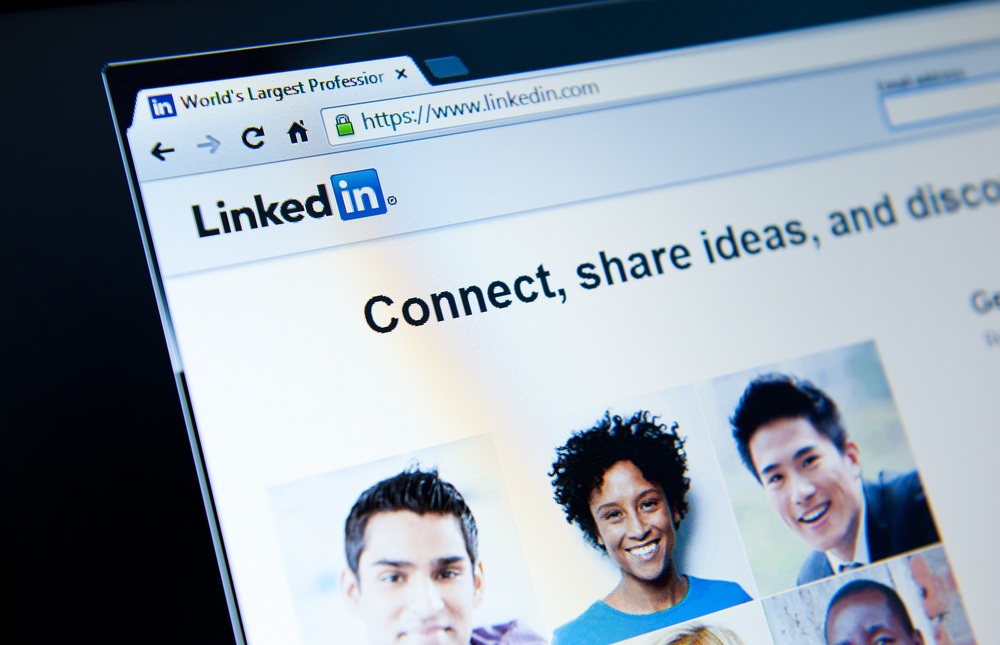
The tech industry has always been a proving ground for new tools and ideas, and right now one of the most powerful forces reshaping the way professionals connect is artificial intelligence. From the way companies recruit talent to how thought leaders build influence, AI is changing the rules of the game on LinkedIn and beyond.
Smarter Recruiting
Hiring managers no longer sift through stacks of résumés. AI-powered systems can analyze skills, career paths, and even cultural fit to recommend candidates. On LinkedIn, predictive recruiting tools help companies identify prospects before they start looking for a new role. The result is faster hiring and better matches between employers and employees.
Personalized Content Feeds
LinkedIn’s algorithm has grown into more than just a filter. It now functions as a learning engine that studies professional interests and behavior. For tech companies, this means employees and executives can reach the audiences that matter most. A thought leadership article, a product update, or even a short post can now land in the feeds of potential clients, investors, or collaborators with remarkable accuracy.
The Rise of Automated Outreach
Sales and business development teams are experimenting with AI-assisted outreach. Instead of sending hundreds of generic messages, companies can use tools that analyze profiles, identify key talking points, and create personalized introductions. While this raises questions about authenticity, it also makes networking more efficient and effective.
Data as a Strategic Asset
LinkedIn’s real strength lies in its data. Millions of profiles, skills, and career shifts create a powerful resource. With AI, companies can analyze that information at scale, spotting workforce trends, predicting which industries are about to grow, and even identifying where the next wave of innovation might emerge. For tech leaders, this kind of intelligence can shape everything from hiring strategies to market expansion.
Balancing Human and Machine
The challenge is keeping professional networking personal. AI can accelerate connections and refine the process, but relationships still depend on authenticity, trust, and shared experience. The tech industry, more than most, will need to find the right balance between automation and genuine human interaction.
As AI becomes part of the digital networking fabric, LinkedIn is evolving into more than a résumé platform. It is becoming a predictive, personalized ecosystem that reflects the future of work. For tech companies, learning how to use this shift to their advantage may be just as important as the innovations they are building.

Is Your Business Running On Software, Or Workarounds?

Museum Dining and the Cultural Experience

More Than Wine: New Reasons to Visit Napa

How a Billion-Dollar Entrepreneur Is Changing Wellness Technology

The Future Is Personalized: Why Peptides Are the Next Big Thing in Wellness

The Future of Wellness




The Shift Toward Holistic Medicine: Why Preventative Care Is Gaining Ground

The Gut-Brain Connection: How Digestive Health Influences Mood and Energy

Diabetes in America: What You Need to Know About This Growing Health Challenge

Understanding Epstein-Barr Virus: The Hidden Culprit Behind Chronic Fatigue

The Daily Cup: Finding Wellness in a Simple Cup of Tea

Personalization and Technology Are Reshaping the Future of Wellness
-
 Wellness1 year ago
How a Billion-Dollar Entrepreneur Is Changing Wellness Technology
-
 Wellness1 year ago
The Future Is Personalized: Why Peptides Are the Next Big Thing in Wellness
-
 Wellness1 year ago
The Future of Wellness
-

 Wellness1 year ago
Peptides: The Emerging Frontier in Health and Wellness
-

 Wellness1 year ago
Wellness Gets a Bold New Face: MAKE Launches with Star-Studded Kickoff Event in Florida
-

 Fashion1 year ago
Spring Fashion Trends: Fresh Looks for a New Season
-

 Beauty2 years ago
Beauty as Self Care
-

 Art & Entertainment1 year ago
Read, Watch, Repeat: A Father’s Day Tradition That Brings Stories to Life