Art & Entertainment
California Locos and the California Art Spirit
California has always had its own visual language.
You can see it in murals and hand-painted signs, in skate graphics and surfboards, in tattoo flash, custom cars, punk flyers, backyard studios, and sun-faded storefronts. You can see it in the tension between polish and grit, in the way beauty and rebellion so often live side by side here. California art has never belonged entirely to the white cube or the museum wall. It has always been shaped by movement, subculture, design, neighborhoods, music, and the restless energy of people building something new out of whatever is around them.
That is part of what makes California such a powerful place for art. It does not force creativity into one lane. Fine art can borrow from the street. A skateboard can become an art object. A mural can carry as much cultural weight as a painting. A garage, a surf town, a punk club, or a boulevard in East L.A. can shape an artist just as much as any institution can. The boundaries have always been more fluid here, and that fluidity is part of the state’s cultural identity.
It is also part of what gives California art its staying power.
For all the talk of trends, markets, and movements, some of the most enduring work to come out of California has been rooted in lived experience. It comes from artists who understand place, who are shaped by geography, history, migration, style, music, architecture, and the layered realities of daily life in the state. The strongest California art feels like it could only have come from here.
That is one reason the California Locos have remained such an important presence in the story of California culture. Their work reflects many of the visual worlds that have defined Southern California for generations, surf, skate, punk, graffiti, Chicano culture, tattoo, lowrider aesthetics, sign painting, and design. Rather than treating those worlds as separate, they bring them into conversation with one another. The result is art that feels both deeply rooted and unmistakably contemporary.
What makes that especially meaningful is that California itself has always been built from overlap. It is not a single story. It is a collision of communities, histories, aspirations, styles, and contradictions. It is glamour and asphalt, ocean and freeway, spiritual reinvention and economic survival, myth and memory. The best California art does not simplify those tensions. It carries them.
That is why exhibitions that make space for this broader visual language matter so much.
At the Millard Sheets Art Center, Play Pavilion offered exactly that kind of opportunity. Within the larger regional group show, LOCOS Origins functioned as a kind of show within a show, bringing together major California Locos works from 2001 to the present. More than just a presentation of individual pieces, it offered a chance to view the work as part of a longer cultural arc.
That kind of context changes everything.
Art always looks different when it is seen in relationship to history. Individual works can be striking on their own, but when placed together they begin to tell a broader story, not only about the artists, but about the culture that produced them. In the case of California Locos, that story is inseparable from California itself. Their work points back to neighborhoods, scenes, and movements that helped define the visual imagination of Southern California over the last several decades. It reminds us that California art is not just about aesthetics. It is about identity, belonging, place, and the ways culture gets carried forward.
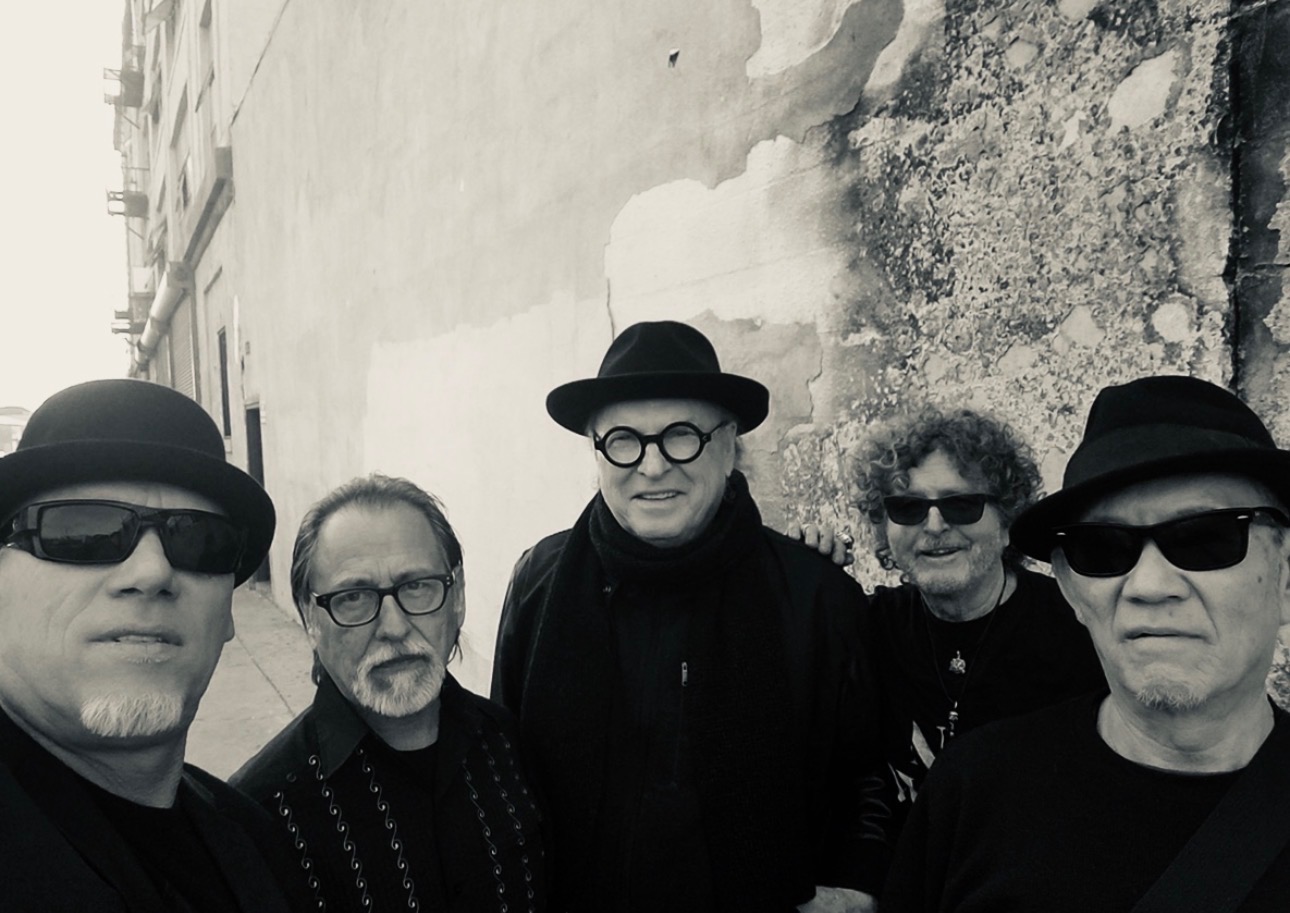

That sense of stewardship is part of what makes someone like Dave Tourjé such a meaningful presence in this conversation. Tourjé is not only an artist and a founder of California Locos, he is also someone whose broader work reflects a commitment to preservation and cultural continuity. Through the Chouinard Foundation, through his involvement in architecture and restoration, and through documentary filmmaking, he represents a California creative tradition that values both making and remembering. That does not pull the focus away from the art. If anything, it reinforces what California art has often done best, connect personal expression with a larger cultural inheritance.
In many ways, this is one of the most distinct qualities of California culture at its best. It does not separate art from life. Art lives in the home, the neighborhood, the car, the board, the jacket, the record sleeve, the poster, the street, and the building. It crosses disciplines naturally because the culture itself is interdisciplinary. Music influences painting. Architecture shapes mood. Fashion borrows from subculture. Film preserves memory. Design enters daily life. Everything is in conversation.
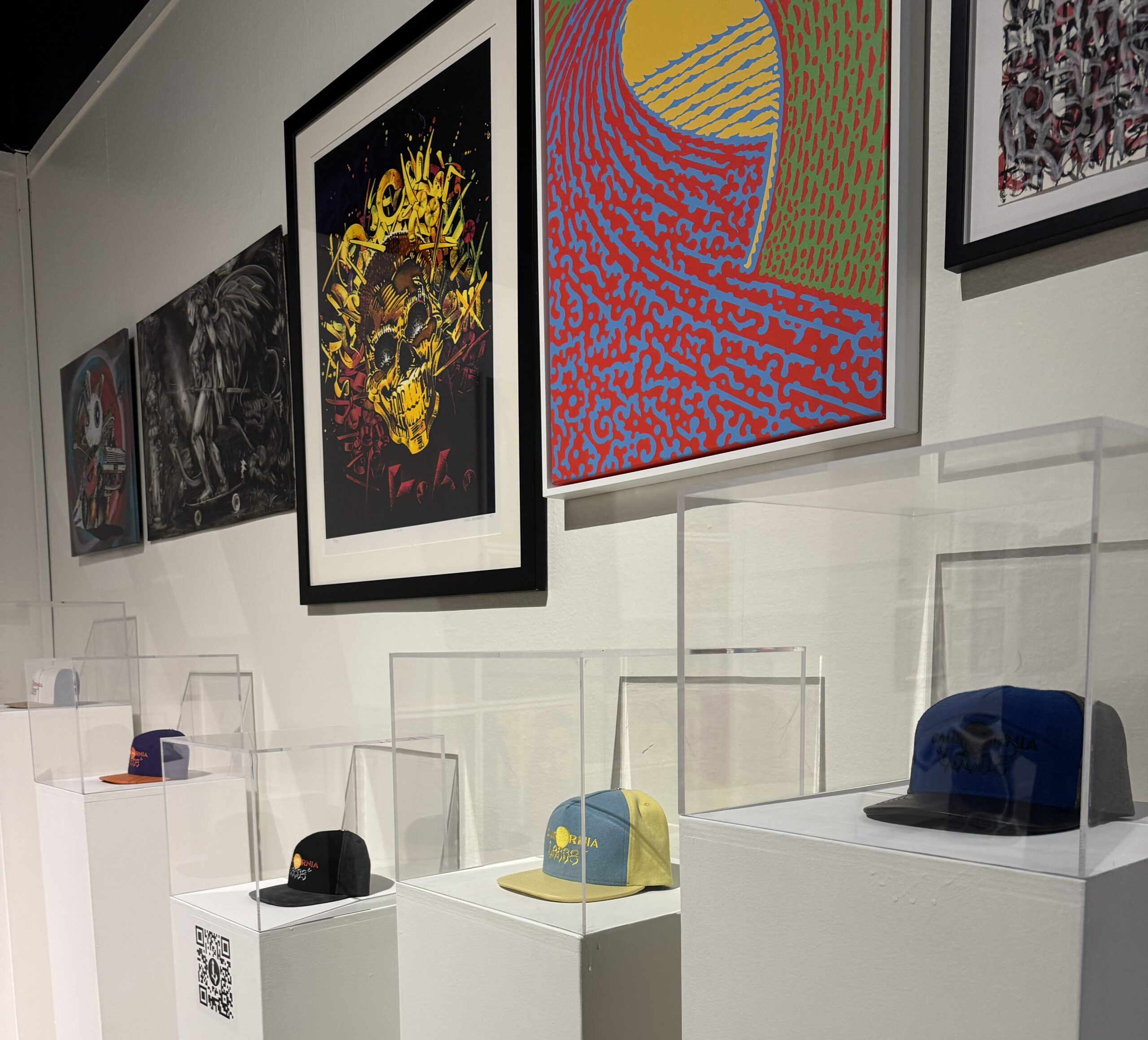

That is why a show like Play Pavilion resonates beyond the art world alone. It is not simply about objects on display. It is about the visual and emotional worlds those objects come from. It is about seeing California not as a stereotype, but as a living, layered creative ecosystem. It is about understanding that art here has always been shaped by communities and scenes that do not always fit neatly into official narratives, but that have nevertheless defined the state’s identity.
There is something refreshing about that right now.
Much of contemporary culture feels flattened by repetition and speed. Images are consumed quickly and forgotten just as quickly. Style gets separated from meaning. Context disappears. What exhibitions like this offer is a reminder that art still has the power to slow us down and reconnect us to place. It can remind us where a visual language came from, what histories shaped it, and why it still matters.
California, more than most places, needs that kind of remembering.
It is a state so often reduced to surface, to sunshine, luxury, trend, fantasy, or escape. But California’s real creative power has always come from something more textured than that. It comes from communities building culture from the ground up. It comes from friction, hybridity, improvisation, and the willingness to make something beautiful out of contradiction. It comes from artists who understand that style is never just style here. It is biography. It is geography. It is politics. It is memory.
That is what makes California art endure.
And that is why shows like Play Pavilion, and particularly the inclusion of LOCOS Origins, feel meaningful. They create space for a richer reading of California culture, one that honors the artists and scenes that helped shape the state’s visual life in ways both obvious and overlooked. They remind us that California art is not just alive in institutions. It is alive in the long conversation between subculture and fine art, between public image and personal history, between the handmade and the iconic.
In the end, maybe that is the real story. California art still feels most alive when it stays close to the culture that made it, when it keeps one foot in memory and the other in reinvention, when it reflects not a polished fantasy of the state, but the layered, expressive, contradictory, deeply human place that California has always been.
And when that happens, it does more than represent California. It helps define it.