
Travel
Packing Guide: What to Bring for a Business Trip


Business travel is all about efficiency, professionalism, and preparation—and your packing should reflect that. Whether you’re heading out for a conference, a client meeting, or a company retreat, having a streamlined packing list ensures you arrive focused and ready to deliver.
Here’s your essential business travel packing guide, designed to keep you polished, organized, and productive on the go.
Travel & Work Documents
Start by gathering these critical items:
-
Photo ID or passport (for international travel)
-
Boarding passes or flight confirmations
-
Hotel reservations and contact details
-
Meeting schedule or itinerary
-
Business cards
-
Work ID or badge
-
Printed copies of important presentations or contracts
-
Emergency contact information and travel insurance
-
Company reimbursement forms, if needed
Business Clothing Essentials
Pack pieces that are both professional and versatile. Wrinkle-resistant and neutral-colored items work best.
For Men:
-
1–2 dress shirts (preferably non-iron)
-
1 blazer or suit jacket
-
1–2 pairs of dress pants or chinos
-
1–2 casual button-downs or polos
-
Undershirts, socks, underwear
-
Dress shoes (packed in a shoe bag)
-
Belt, watch, minimal accessories
-
Lightweight sweater (for chilly conference rooms)
For Women:
-
1–2 blouses or business-appropriate tops
-
1 blazer or structured jacket
-
1 pair of dress pants or a midi skirt
-
1 professional dress
-
Comfortable flats or low heels
-
Undergarments, tights, and accessories
-
Simple, elegant jewelry
-
Lightweight scarf or cardigan
Tip: Stick to a neutral color palette so everything coordinates easily.
Toiletries & Grooming
Keep it minimal and TSA-friendly:
-
Toothbrush, toothpaste, floss
-
Deodorant
-
Travel-size shampoo, conditioner, and body wash
-
Razor and grooming tools
-
Face wash and moisturizer
-
Basic makeup and remover
-
Travel hairbrush or small styling tool
-
Cologne or perfume (travel size)
-
Lip balm and hand sanitizer
-
Any daily medications or supplements
Tech & Productivity Tools
Don’t forget the gear that keeps you connected and ready:
-
Laptop and charger
-
Phone and charger
-
Portable power bank
-
Wireless earbuds or noise-canceling headphones
-
Universal adapter (for international trips)
-
USB drive or external hard drive
-
Presentation remote or laser pointer
-
Notebook and pen
-
Mobile Wi-Fi hotspot (optional)
Carry-On Must-Haves
Keep these in your personal bag for easy access:
-
Laptop and important documents
-
Refillable water bottle
-
Healthy snacks or protein bars
-
Travel pillow and eye mask (especially for long flights)
-
Breath mints or gum
-
Tissues and hand wipes
-
Extra pair of socks or tights
-
Light jacket or wrap
-
A good book, e-reader, or downloaded podcasts
Packing Tips for Business Travel
-
Use a sleek carry-on or garment bag to avoid checking luggage
-
Pack by outfit instead of by item to simplify dressing
-
Use a tech organizer to keep chargers and cords tidy
-
Bring a travel-sized wrinkle-release spray or mini steamer
-
Store shoes in bags to protect your clothes
-
Keep all must-haves in your carry-on in case of delays
Pack with Purpose
Business trips are about staying sharp and stress-free. With a well-organized suitcase and just the essentials, you’ll feel confident and prepared—ready to focus on what really matters.

Planning a surf trip to South Africa? Durban offers warm Indian Ocean waves and a gateway to golf, coastal adventures and safaris in the heart of Zululand.
In Durban, an early start comes with its own reward. The sun rises over the Indian Ocean, surfers walk across the sand, and the first decision of the day is where to paddle out.
For travelers interested in surfing in South Africa, this east coast city deserves a place on the itinerary. Warm water, established breaks and a deeply rooted surf culture make Durban an appealing destination for a holiday built around the ocean.
But there is good reason to bring more than a surfboard. Durban is also a starting point for exploring KwaZulu-Natal, where championship golf, coastal adventures and wildlife reserves can become part of the same journey. Head north into Zululand and a surf holiday can include several memorable days on safari.
Why Choose Durban for Surfing in South Africa?
Durban’s appeal starts with its beachfront. Along the Golden Mile, beaches and piers frame well-known surf spots including North Beach, Bay of Plenty and New Pier. These breaks have helped shape the city’s surfing identity and remain central to its beach culture.
The variety makes surfing in Durban worth exploring at different experience levels. Beginners can find a gentler introduction around Addington, where the sheltered setting often produces smaller waves. Experienced surfers can explore the city’s established breaks and the wider KwaZulu-Natal coastline, guided by their ability and the conditions.
Local advice helps. Sandbanks shift, winds change and the best spot on one morning may be different the next. Taking a lesson or seeking guidance can help visitors make better use of their time in the water.
There is plenty to enjoy between sessions, too. Breakfast after a morning surf, a walk along the promenade and an unhurried lunch all fit comfortably into a Durban beach holiday.
Surf Trips to South Africa With More to Explore
A good surf trip leaves room to discover the destination. That is the approach behind SurfBru.com, a new surf travel service bringing together surfing, golf, adventure and safaris in KwaZulu-Natal.
For travelers researching surf trips to South Africa, the idea is appealing: start with the waves, then build a holiday around the other experiences the region offers.
It also makes sense for couples, families and groups with different interests. One traveler might want to surf every morning, while another prefers a round of golf, a wildlife outing or a relaxed day on land.
SurfBru’s ambassadors include Durban surfing figures Travis Logie, the 2002 ISA world champion, and big-wave world champion Grant “Twiggy” Baker, alongside former Championship Tour surfer and WSL commentator Rosy Hodge. Those connections give the service roots in South African surfing.
The broader itinerary means there is something to look forward to even when the waves take a day off.
Add Golf to Your South Africa Surf Holiday
Travelers looking to combine surfing and golf in South Africa can include both in a Durban stay. Durban Country Club offers championship golf within the city, making a round a practical addition to time at the beach.
Durban-born DP World Tour professional and SurfBru ambassador Michael Hollick, himself an avid surfer, reflects the natural connection between the two pursuits.
The key is to leave enough time to enjoy each. A surf holiday does not need a packed schedule to feel rewarding. Set aside a morning for golf, keep some flexibility for favorable surf conditions and allow the occasional lunch to run long.
For groups planning golf and safari holidays in South Africa, Durban can also provide a coastal starting point before the journey continues north.
Combine Surfing With a Safari in Zululand
A South Africa surf and safari holiday offers two very different outdoor experiences within one trip.
North of Durban, Zululand’s wildlife reserves provide a reason to leave the coast for several days. At Hluhluwe-iMfolozi Park, visitors have the chance to encounter Africa’s Big Five: lion, leopard, elephant, rhino and buffalo. Wildlife sightings are never guaranteed, making patient observation part of the experience.
The early starts may feel familiar after a few mornings of surfing, but the rhythm changes. On safari, attention shifts to movement in the bush, tracks beside the road and the knowledge of a good guide.
Spending several nights allows this part of the holiday to develop beyond a quick excursion. There is time for different game drives, quieter encounters and evenings spent talking about what appeared along the way.
A KwaZulu-Natal safari gives a surf trip another dimension, particularly for visitors making their first journey to South Africa.
Explore KwaZulu-Natal Beyond the Beach
The wider northern coastline offers further opportunities for adventure. Within iSimangaliso Wetland Park, destinations such as Cape Vidal and Sodwana Bay add protected coastal landscapes, beaches and diving to the possibilities.
Choose the experiences that matter most to your group rather than trying to fit everything into one visit. A few well-planned stops, with time to enjoy each, can make a more satisfying holiday than a daily change of destination.
When Is the Best Time for Surfing in Durban?
For travelers putting surfing first, the South African winter, particularly June through August, deserves consideration. It generally brings stronger groundswell and favorable surf conditions.
Summer offers hotter days, although early sessions can be worthwhile before onshore winds develop. The best time for your trip depends on your surfing ability, the conditions you prefer and the other activities you want to include.
Planning a Durban Surf, Golf and Safari Trip
Start with a few days on the Durban beachfront to settle in and find your rhythm. Leave space for golf and coastal exploring, then give the safari portion of the journey time of its own.
SurfBru brings these interests together for travelers who want the waves at the heart of their holiday while experiencing more of the region.
For anyone considering surfing in South Africa, Durban offers a compelling beginning. The golf courses, coastline and wildlife of KwaZulu-Natal give you plenty of reasons to stay longer.
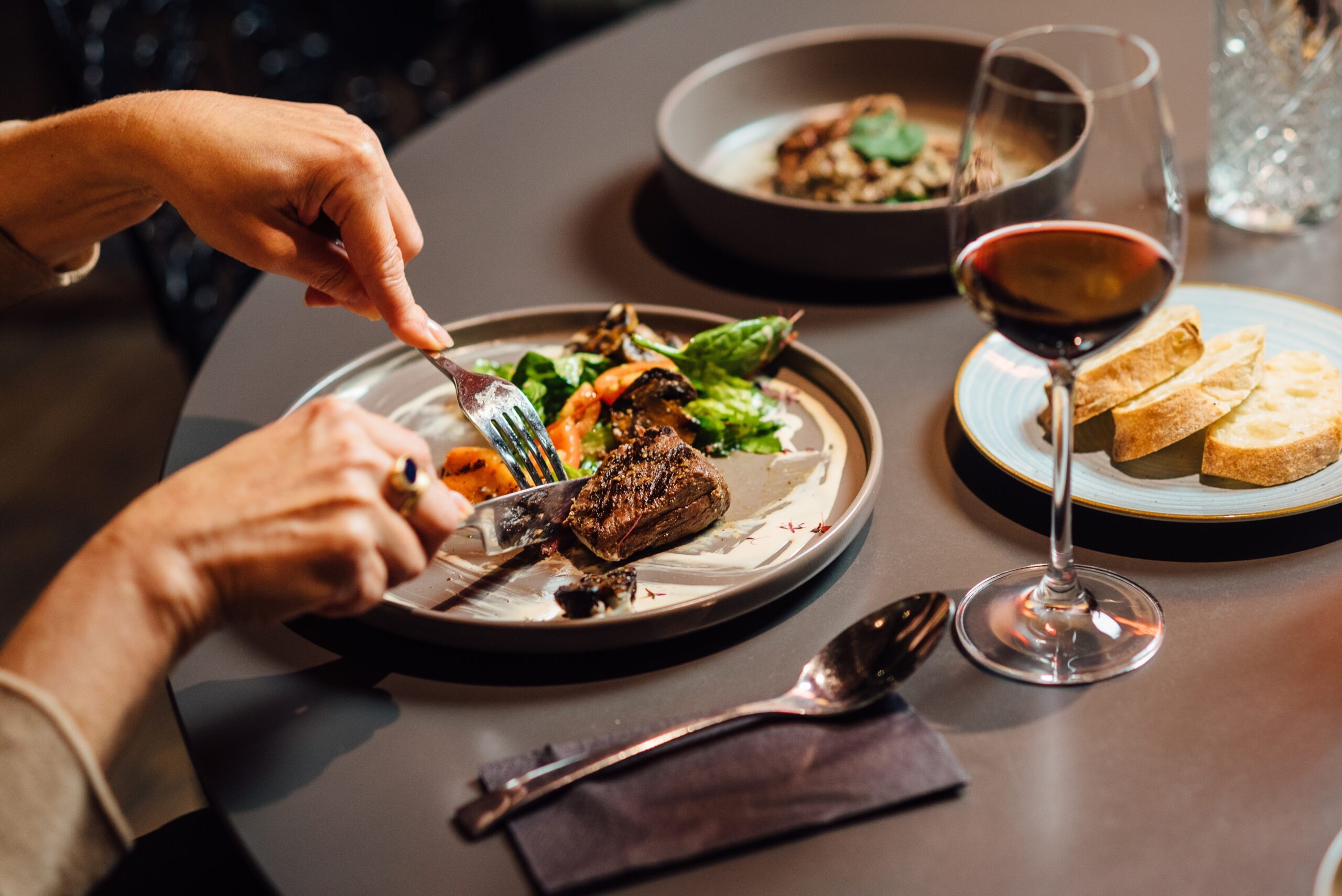
There was a time when eating at a museum meant grabbing a coffee, a wrapped sandwich, or a pastry before heading back into the galleries. It was convenient, but rarely memorable. The restaurant was the pause between the art, not part of the experience itself.
That is changing.
Across the world, museums and cultural institutions are rethinking what it means to spend time with art. Visitors are no longer being asked to simply look, leave, and move on. They are being invited to linger. To have dinner after the galleries close. To meet friends before a performance. To sit with a glass of wine, talk about what they have just seen, and let the experience extend beyond the walls of the exhibition.
In that shift, food is becoming more than an amenity. It is becoming part of the cultural programming.
The connection makes sense. A great museum visit asks people to slow down and notice. So does a great meal. Both rely on composition, memory, detail, and feeling. Both can be playful, serious, beautiful, surprising, or rooted in place. When they work together, the result can turn a simple afternoon into a fuller experience.
It is a trend showing up in major cities and smaller cultural destinations alike. In Lisbon, the Museu de Arte Contemporânea Armando Martins, known as MACAM, has drawn attention for pairing its galleries with Contemporâneo Food & Wine Restaurant, where visitors can dine in a setting tied to the museum’s sculpture garden. In Spain, the Museum of Málaga is now home to Blossom, a Michelin-starred restaurant from chef Emi Schobert. At the Fenix museum in Rotterdam, O Anatolian Café brings Turkish flavors into a museum dedicated to migration. In Atlanta, the Woodruff Arts Center has opened Elise, a restaurant designed to extend the arts experience beyond the stage and gallery. In Sydney, the Museum of Contemporary Art Australia’s Canvas uses a seasonal chef-in-residence model, giving the museum restaurant its own evolving creative identity.
What these places share is a belief that the cultural experience does not have to end at the gallery door.
That idea feels especially natural in Napa Valley, where taste and place have always been closely linked. Wine made Napa famous, but the region’s deeper appeal has always been about craft: the vineyard, the meal, the design of a room, the care of a table, the way a landscape changes in the light. Visitors come for wine, but they often leave remembering the whole composition.
In St. Helena, Napa Valley Museum of Art & Culture, known as The MAC, and neighboring Under-Study fit beautifully into this wider movement. Together, they offer a Wine Country version of the museum-and-dining experience: art next door to food, cultural programming alongside culinary imagination, and a sense that Napa’s future is becoming more layered than the familiar tasting-room itinerary.
The MAC gives visitors a cultural anchor in St. Helena, expanding the idea of what a Napa day can include. As part of Napa Valley Museum’s growing presence across the region, it positions art, history, and design within the flow of Wine Country travel. For locals, it adds a place to gather around exhibitions and ideas. For day-trippers, it offers a thoughtful stop along Highway 29. For repeat visitors, it gives Napa another dimension.
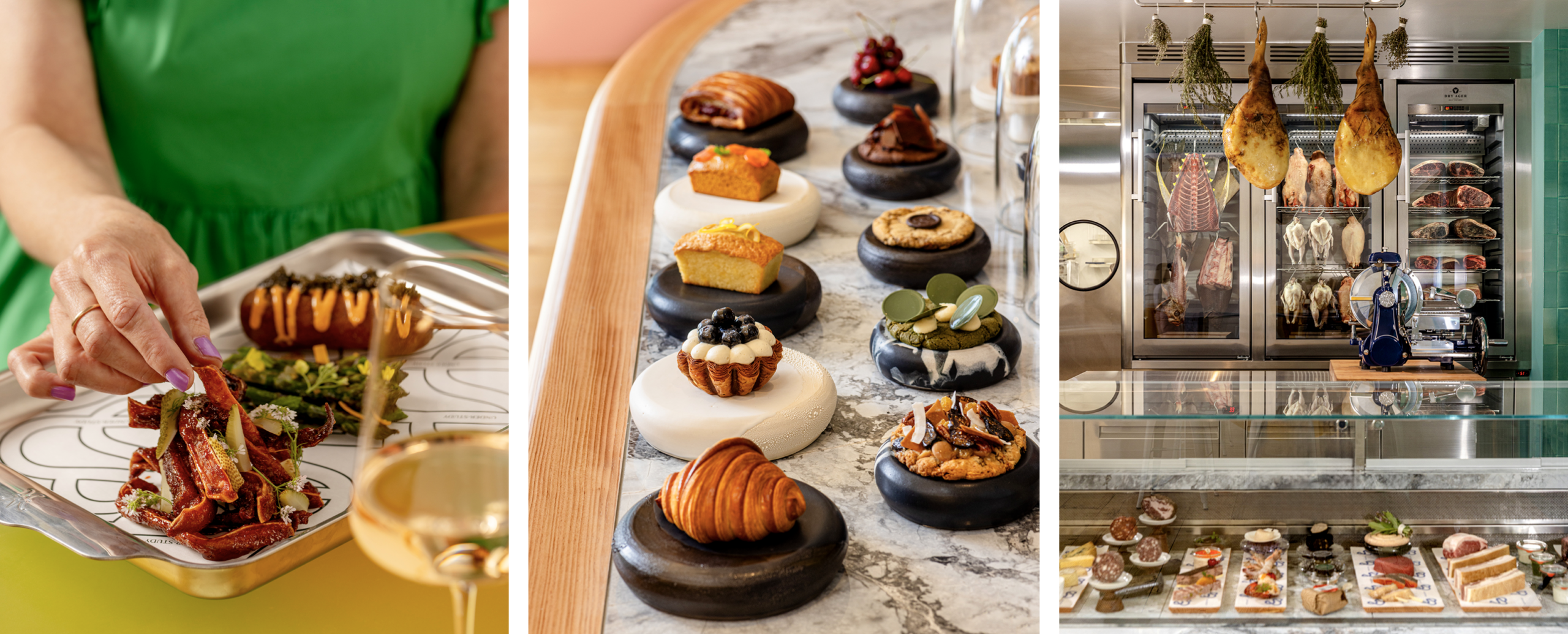
Under-Study adds the culinary counterpoint. The café and gathering place occupies a space with its own rich Napa Valley history. It was once home to Dean & DeLuca, opened in St. Helena by food and wine entrepreneur Leslie Rudd, founder of PRESS and Rudd Estate, bringing a taste of New York’s iconic gourmet market to Wine Country.
Today, under the leadership of Samantha Rudd, Chef Partner Philip Tessier, and Managing Partner Justin Williams, Under-Study has reimagined the space as a modern, colorful culinary playground where creativity, tradition, and innovation meet. Located alongside The MAC, it gives museum visitors an added reason to make the stop, whether for coffee, a bite, a longer meal, or simply a chance to let the museum experience continue in a different form.
The pairing works because it does not feel forced. Napa already teaches visitors how to pay attention. Wine asks them to think about soil, weather, time, and craft. Food asks them to think about ingredients, technique, season, and place. Art asks them to think about color, form, story, and emotion. At their best, all three are part of the same language.
That is why museum dining feels less like a novelty and more like a natural evolution. Cultural institutions are recognizing that people want experiences with texture. They want places where they can look, taste, talk, and stay a little longer. They want the day to have rhythm.
For destinations, this matters. A restaurant can make a museum more welcoming. A museum can give a meal more context. Together, they can create a reason to visit that is not only about seeing one exhibition or booking one reservation, but about experiencing a place more fully.
Napa Valley is well suited for that kind of experience. The region will always be known for wine, and rightly so. But food, art, design, and culture are becoming increasingly central to how visitors understand the valley. A day in Napa can now include a museum visit, a thoughtful meal, a walk through town, a tasting, and a deeper connection to the people and ideas shaping the region.
The best museum restaurants are not just places to eat. They are invitations to linger. They make culture more social, more sensory, and more accessible. They remind us that art does not live only on walls, and a great meal is not only about what is on the plate.
Sometimes the most memorable part of a cultural outing happens in the space between the gallery and the table.
For Bay Area travelers, Napa Valley has always been one of the easiest ways to feel like you have escaped without going very far. From San Francisco, Oakland, San Jose, Sacramento, Santa Rosa, and the surrounding communities, the drive is manageable, the scenery is beautiful, and the payoff is immediate. You can leave in the morning, spend the day among vineyards, restaurants, shops, and country roads, and still be home by evening.
For many visitors, wine is the main attraction. That is unlikely to change. Napa Valley remains one of the most famous wine regions in the world. But more and more, day-trippers are looking for experiences that add something extra to the trip. They want art, design, history, film, music, and a stronger sense of place.
That is where Napa Valley Museum comes in.
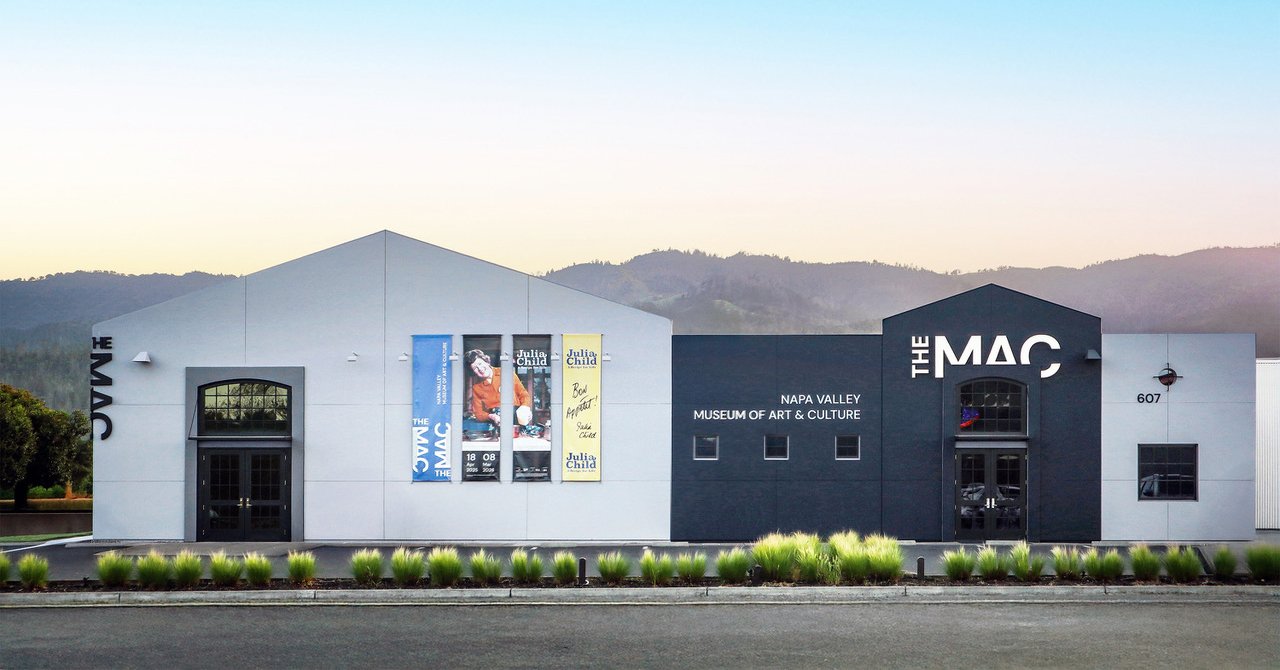
With two locations, Napa Valley Museum Yountville and Napa Valley Museum of Art & Culture, known as The MAC, the Museum is helping expand what a Napa day trip can be. It gives visitors a way to experience the valley through creativity, not just hospitality. For Bay Area day-trippers, it can make a familiar destination feel new again.
A Different Kind of Napa Day
A great Napa day does not have to be built only around tastings and reservations. It can start with coffee and a scenic drive, continue with a museum visit in Yountville or St. Helena, and then move into lunch, shopping, wine tasting, or a relaxed walk through town.
The Museum fits naturally into that kind of itinerary. It is flexible, accessible, and easy to pair with the rest of the day. For couples, it can add a thoughtful cultural stop before dinner. For families, it offers something engaging that does not revolve around wine. For visitors staying in San Francisco, it provides another reason to spend the day in the valley.
A visit to The MAC also comes with an added culinary bonus: Under-Study, the neighboring café and gathering place located in a space with its own rich Napa Valley food history. The site was once home to Dean & DeLuca, opened in St. Helena by food and wine entrepreneur Leslie Rudd, founder of PRESS and Rudd Estate, bringing a taste of New York’s iconic gourmet market to Wine Country. Today, under the leadership of Samantha Rudd, Chef Partner Philip Tessier, and Managing Partner Justin Williams, Under-Study has reimagined the space as a modern, colorful culinary playground where creativity, tradition, and innovation meet. For Museum visitors, it adds another layer to the experience, making a trip to The MAC not only a cultural stop, but also an opportunity to enjoy the kind of food, design, and hospitality that continue to define Napa’s evolving sense of place.
It also gives the Napa experience more texture. The region is known around the world for wine and food, but it is also shaped by history, landscape, craftsmanship, design, and creativity. Napa Valley Museum brings those layers forward in a way that is easy for visitors to enjoy.
Two Locations, More to Explore
Napa Valley Museum now operates across two distinct locations. Napa Valley Museum Yountville, known as NVMY, is located at 55 Presidents Circle in Yountville. The Museum’s newer flagship location, Napa Valley Museum of Art & Culture, The MAC, is located at 607 St. Helena Highway in St. Helena.
Together, the two locations create a broader cultural map of the valley. Visitors can choose one museum based on their plans for the day, or build both into a larger Napa outing. For anyone driving through Wine Country, the Museum’s presence in both Yountville and St. Helena makes it easy to add art and culture without going far out of the way.
Current Exhibitions Worth Adding to the Day
This summer, the Museum’s exhibitions offer two very different reasons to visit.
At The MAC in St. Helena, The Wyeths: Three Generations | Works from the Bank of America Collection is on view through September 13, 2026. The exhibition explores the artistic legacy of N.C., Andrew, and Jamie Wyeth, three generations of one of America’s most recognizable artistic families.
Presented alongside it is My Andy: Photographs by Victoria Wyeth, a companion exhibition created by Napa Valley Museum. Through Victoria Wyeth’s photographs of her grandfather, Andrew Wyeth, visitors get a more personal view of the artist’s private world, daily life, and creative presence.
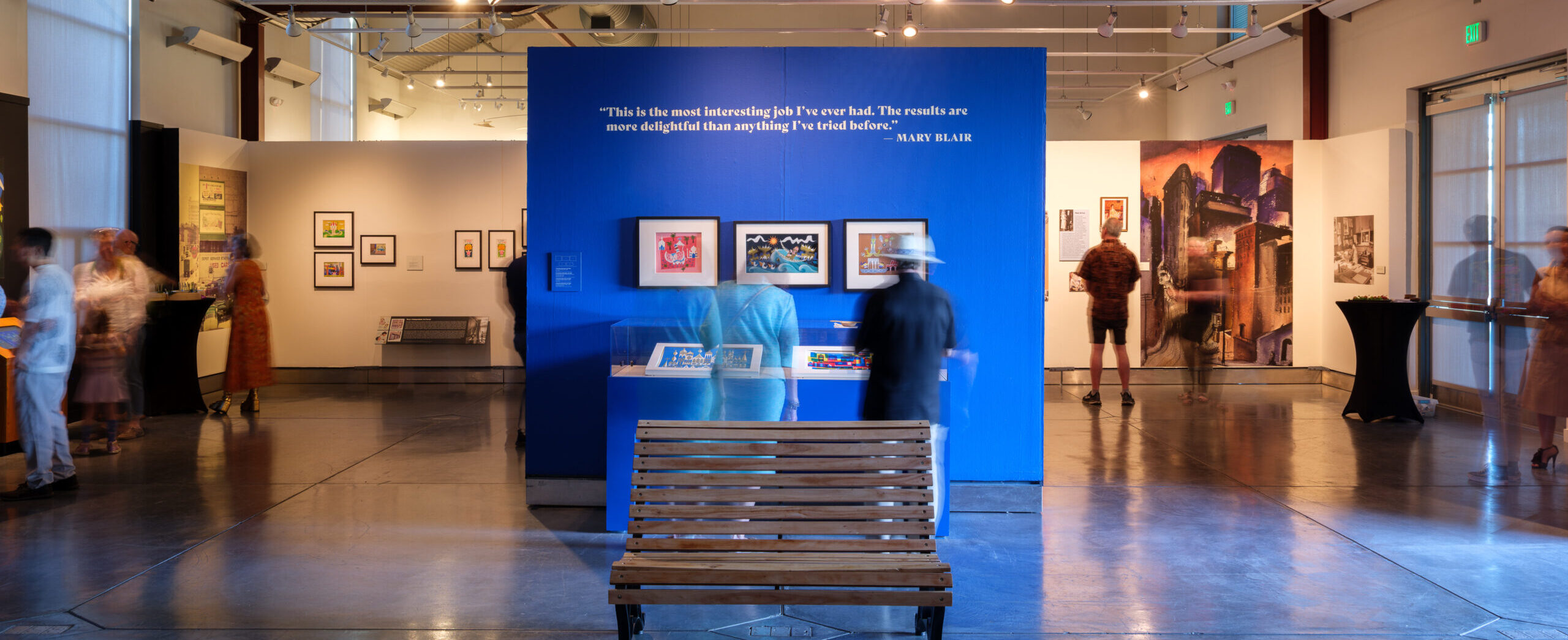
At Napa Valley Museum Yountville, Mary Blair: Mid-Century Magic celebrates the influential artist and designer whose work helped shape the visual style of beloved Disney films and attractions. Colorful, nostalgic, and accessible, the exhibition is a natural fit for families, Disney fans, design lovers, and anyone drawn to mid-century imagination.
Summer Events Add to the Fun
The Museum is also adding summer programming that gives day-trippers even more reason to plan a visit.
On Friday, July 3, 2026, Napa Valley Museum Yountville will present a special Independence Day Weekend edition of Friday Night Films with A Hard Day’s Night, the classic Beatles film directed by Richard Lester. The screening takes place inside Mary Blair: Mid-Century Magic, with exhibition admission included in the ticket.
The pairing is a fun one. The film was released in 1964, the same year Walt Disney unveiled Mary Blair’s “it’s a small world” at the New York World’s Fair. Together, the screening and exhibition offer a lively snapshot of mid-1960s music, film, design, and pop culture.
Later in the summer, Victoria Wyeth will appear at The MAC from August 7 to 9 during the Wyeth exhibitions. Her visit gives guests the opportunity to experience the work with added personal context from someone directly connected to the family story.
A Fuller Wine Country Experience
For Bay Area hotels, tour operators, luxury transportation companies, and travel planners, Napa Valley Museum offers a natural addition to a day-trip itinerary. It gives guests something meaningful to do between tastings, or a cultural anchor for those who want a more rounded Wine Country experience.
For visitors, the appeal is simple. The Museum makes the day feel fuller.
Napa Valley will always be known for wine, and that is part of its magic. But for Bay Area day-trippers looking for something more, Napa Valley Museum offers another way to experience the valley: through art, culture, history, film, and imagination.
For tickets, hours, and full event details, visit napavalleymuseum.org.
-

 Wellness2 years ago
How a Billion-Dollar Entrepreneur Is Changing Wellness Technology
-

 Wellness2 years ago
The Future Is Personalized: Why Peptides Are the Next Big Thing in Wellness
-

 Wellness2 years ago
The Future of Wellness
-

 Wellness2 years ago
Peptides: The Emerging Frontier in Health and Wellness
-

 Wellness2 years ago
Wellness Gets a Bold New Face: MAKE Launches with Star-Studded Kickoff Event in Florida
-

 Fashion2 years ago
Spring Fashion Trends: Fresh Looks for a New Season
-

 Beauty2 years ago
Beauty as Self Care
-

 Art & Entertainment1 year ago
Read, Watch, Repeat: A Father’s Day Tradition That Brings Stories to Life